
The SmartThings Shift: From Hardware Headaches to Software Scale

I still remember the sinking feeling when I received the email announcing the retirement of the SmartThings Groovy IDE. Like many users, I had invested dozens of hours into perfecting custom device handlers and complex WebCoRE routines that suddenly had an expiration date. For a moment, it felt like the platform was giving up on its most loyal community. But after testing the transition to the new Edge drivers and seeing my Samsung TV become a functional Thread Border Router, it became clear: SmartThings wasn’t dying—it was shedding its old skin to survive a much bigger market.
The “is SmartThings discontinued” rumor mill continues to churn because Samsung changed the rules of the game. They stopped focusing on selling us $99 plastic boxes and started making the screens and appliances we already own work as the brain of the home. It’s a messy, often frustrating evolution for those of us who enjoyed the old tinkering ways, but from a stability and scale perspective, the data shows a platform that is finally ready for the mainstream. Here is why the move away from standalone hubs is actually the best thing that’s happened to the ecosystem in years.
SmartThings is not dying — it’s quietly becoming one of the most ambitious smart home platforms on the planet. If you’ve stumbled across forum threads asking whether Samsung has abandoned its ecosystem, the data tells a very different story.
The confusion is understandable. Samsung did sunset the physical V3 hub as a standalone product, and it retired several legacy features that longtime users had built their routines around. For users who’d invested heavily in older setups, that felt like abandonment. However, discontinuing a piece of hardware isn’t the same as discontinuing a platform — and that distinction matters enormously.
What Samsung actually did was shift SmartThings away from a hub-dependent model toward a software-first architecture. Instead of requiring a dedicated box to run your automations, the platform is now embedded directly into devices you already own. The result? A dramatically larger addressable audience and a rapidly expanding library of smartthings compatible devices that work without any additional hardware purchase.
The growth numbers reflect that strategic pivot. Samsung Electronics reported via SamMobile that SmartThings reached 430 million global users by the end of 2023 — an increase of 80 million users in just over a year. Platforms on their deathbed don’t post numbers like that.
That software-first shift has a name and a specific strategy behind it — one centered on turning your existing Samsung devices into the hub itself. That’s exactly where things get interesting.
The ‘Hub Everywhere’ Strategy: Your TV is the New Controller
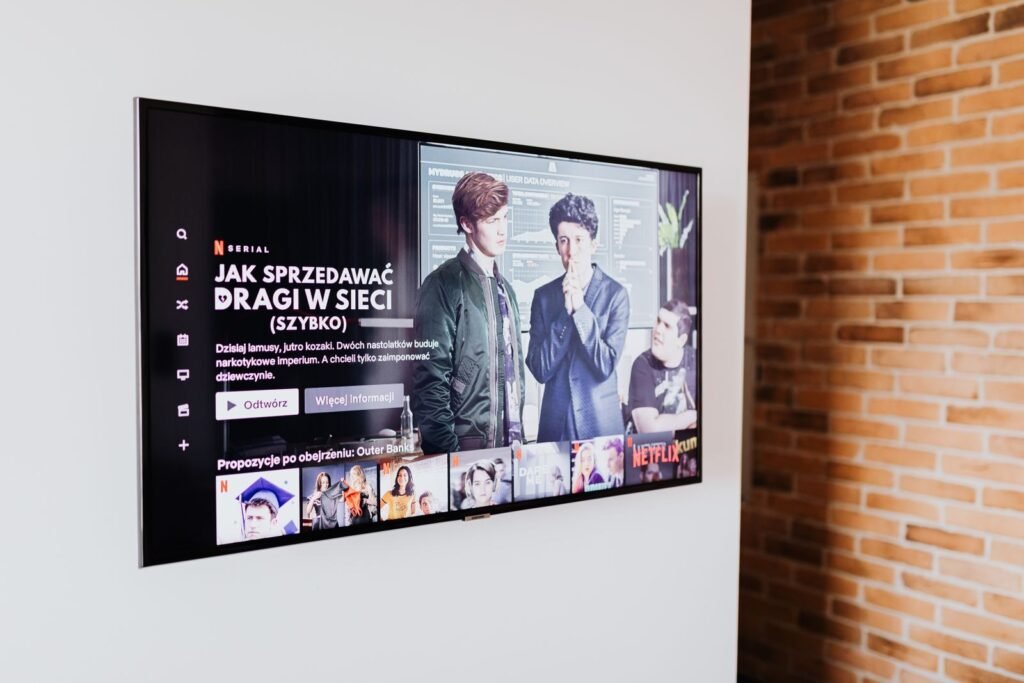
Samsung’s boldest move isn’t a new device — it’s eliminating the need for one entirely. For anyone still searching “is SmartThings discontinued,” the answer is hiding in plain sight: Samsung has been quietly embedding SmartThings Hub software directly into hardware you already own.
This is the Hub Everywhere concept. Rather than requiring a dedicated hub sitting on a shelf, Samsung has baked hub functionality into its broader product ecosystem. According to SmartThings.com, the following 2023 and 2024 Samsung devices now function as fully capable SmartThings Hubs:
Samsung Smart TVs (2023 and 2024 models)
Family Hub refrigerators
Samsung soundbars
The practical benefit here is significant. In practice, fewer dedicated devices means fewer single-purpose boxes consuming outlets, generating heat, and creating network fragility. One failed hub used to mean one failed smart home — a frustration well-documented in early community discussions. The distributed model changes that calculus completely.
The 2024 and 2025 hardware generations are central to this shift because they represent Samsung’s first broad rollout of embedded hub capability at scale. Rather than a pilot program, this is a platform-wide architectural decision. Your TV isn’t just a screen anymore — it’s infrastructure.
This hardware-agnostic approach also sets the stage for something even larger. Once the hub lives everywhere, the question becomes: what can it actually connect to? That’s where SmartThings’ latest protocol commitments become genuinely exciting.
Matter 1.5 and the End of Ecosystem Silos

For anyone still typing “is samsung smartthings discontinued” into a search bar, Samsung’s Matter rollout is perhaps the clearest proof that the platform is moving forward, not fading out.
“Samsung aims to ensure that products and services built on different brands and protocols deliver a unified experience through SmartThings.” — Jaeyeon Jung, EVP and Head of SmartThings Team
Matter 1.5 is the first protocol update to bring security cameras and video doorbells into the unified smart home fold — without requiring proprietary APIs or brand-specific workarounds. Samsung’s December 2023 update made SmartThings one of the earliest platforms to adopt this specification, enabling direct integration with cameras from brands like Aqara and Eve. In practice, that means a camera purchased from a completely different ecosystem can now appear natively inside SmartThings — with live feeds, motion triggers, and automation support — as if it were a Samsung product from day one.
What makes this genuinely significant isn’t just the expanded device list. For years, video devices remained stubbornly outside the Matter standard, forcing users into fragmented app-juggling across multiple platforms. Matter closes that gap at the protocol level. SmartThings users now get cross-brand camera compatibility without compromise — a shift that quietly dismantles one of the last major objections to building a serious smart home on Samsung’s platform. That same commitment to breaking down walls extends well beyond security hardware, which is where things get even more interesting.
Beyond Automation: AI-Driven Family and Pet Care
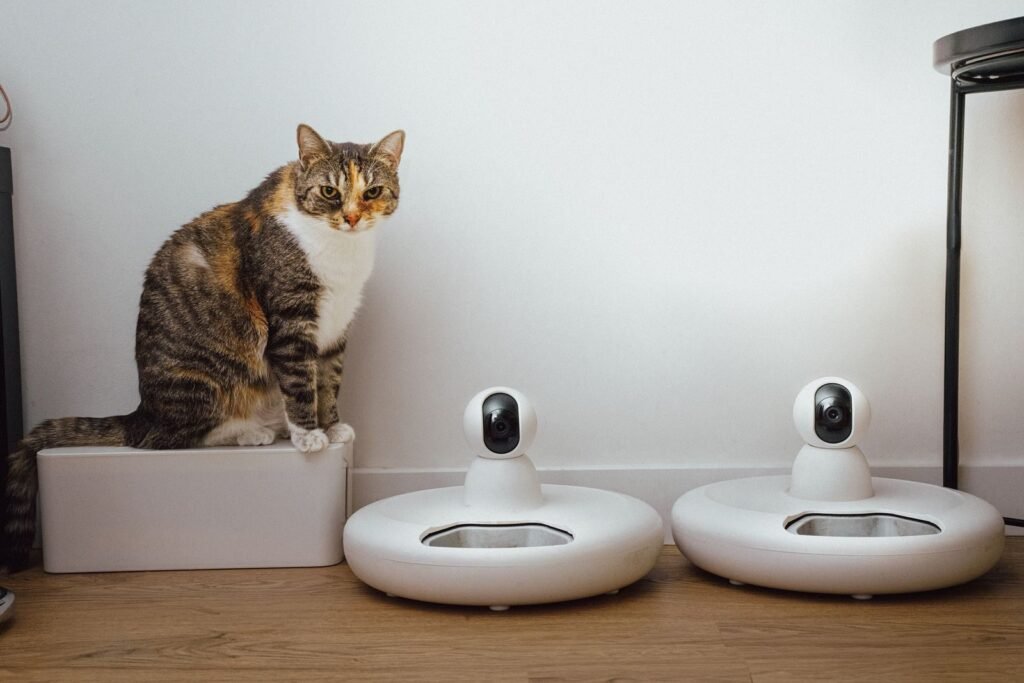
SmartThings’ new AI features represent the platform’s most significant functional expansion yet — moving well beyond lights and locks into genuine human wellness territory. As reported by The Next Web, Samsung has added elderly care monitoring and ambient sensing to the SmartThings platform, signaling that the ecosystem’s ambitions now extend into daily health and family safety.
Family Care is the standout addition. Rather than requiring dedicated medical hardware, it uses ambient sensing — drawing on motion patterns, door activity, and device interactions across existing smart home infrastructure — to build a picture of an elderly family member’s daily routine. If activity falls outside expected patterns, caregivers receive an alert. Key capabilities include:
Routine monitoring that detects unusual inactivity or irregular sleep patterns
Ambient sensing that works passively without wearables or cameras
Remote caregiver notifications sent directly through the SmartThings app
SmartThings Pet Care rounds out the platform’s care-focused vertical. It tracks pet activity levels using compatible sensors, helping owners spot behavioral changes that might signal health concerns — a meaningful use case that broadens the ecosystem’s appeal well beyond tech enthusiasts.
What ties both features together is AI. The platform isn’t simply collecting data; it’s interpreting behavioral patterns over time to surface genuinely useful insights. That’s the real differentiator for 2025 — automation that understands context, not just commands. This intelligence layer also raises a natural question: which devices can actually feed into it? The answer depends heavily on what’s compatible — and that’s exactly where the conversation around certified devices becomes critical.
Expanding the Ecosystem: SmartThings Compatible Devices in 2025
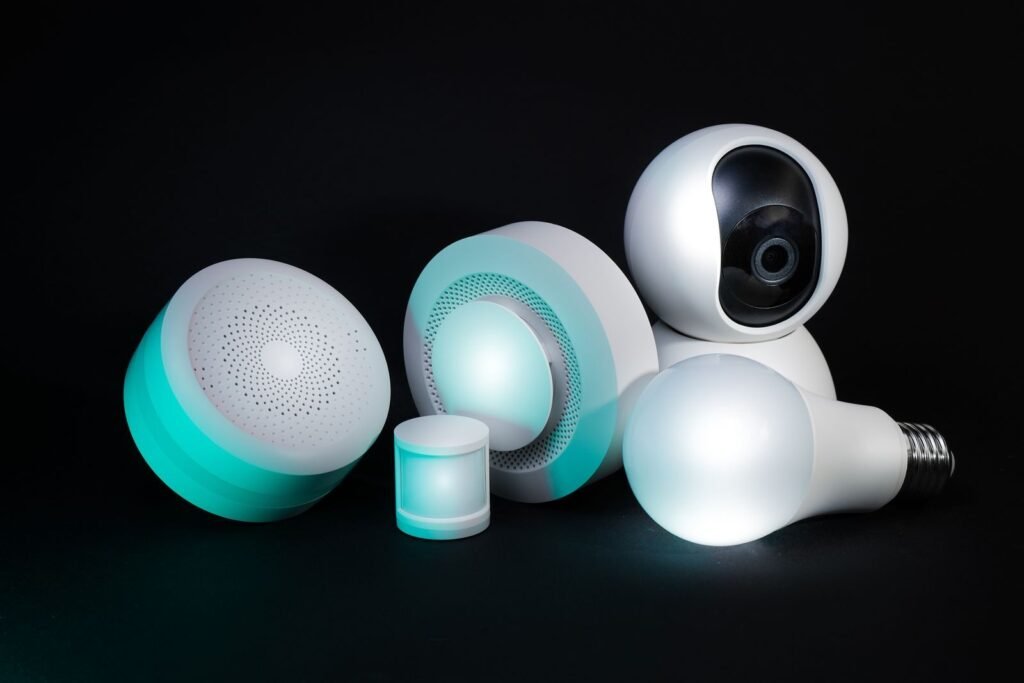
Buying a smart home device in 2025 means more than checking a price tag — knowing which compatibility markers to look for can save you from a frustrating dead end.
The “Works with SmartThings” (WWST) certification is your first filter. This badge signals that a device has passed Samsung’s verification process for reliable integration — not just basic connectivity. Beyond WWST, the Matter logo is increasingly the second marker worth prioritizing. Because SmartThings became the first platform to support Matter-compatible cameras without requiring separate APIs, devices carrying the Matter logo plug into your setup with far less friction than legacy protocols ever allowed.
Third-party interoperability is one of SmartThings’ genuine strengths heading into 2025. The platform spans brands across lighting, locks, sensors, appliances, and — relevant to the growing interest in SmartThings Pet Care — connected monitoring devices from multiple manufacturers. That cross-brand reach means you’re not locked into a single product line.
For anyone with older devices, the transition does carry a caveat. Some legacy hardware has already lost support, and that pattern is likely to continue as the platform standardizes around Matter and newer protocols. Checking your current device list against the WWST catalog before purchasing anything new is a practical step that avoids duplicate investment.
When the full picture comes together — certified devices, Matter support, and broad brand compatibility — the ecosystem argument becomes hard to dismiss, which is exactly what the bottom line reflects.
The Bottom Line: What You Need to Know
The latest smartthings updates tell a clear story: this platform is not winding down — it is scaling up, and understanding that shift changes how you should plan your smart home today.
Here is what the evidence distills to:
SmartThings is not discontinued. With over 430 million connected devices and Matter 1.5 support, the platform has quietly become one of the most expansive smart home ecosystems available in 2025. The noise around legacy feature cuts masked a larger, more deliberate build-out.
The ‘Hub Everywhere’ strategy is real and already in motion. Standalone hub boxes are giving way to hub functionality baked directly into Samsung TVs and refrigerators — meaning the hardware you already own may be more capable than you realize.
Matter 1.5 support removes a genuine pain point. Security camera integration, historically a fragmented experience across smart home platforms, is now significantly more seamless within the SmartThings environment.
AI features are expanding the platform’s purpose. Elderly monitoring and pet care capabilities represent a meaningful shift — SmartThings is moving from a device-control layer into a household awareness system.
What this means in practice: the platform’s value proposition is stronger than its reputation currently suggests. How you future-proof your setup around these changes is where the real decision-making begins.
Future-Proofing Your Home with SmartThings
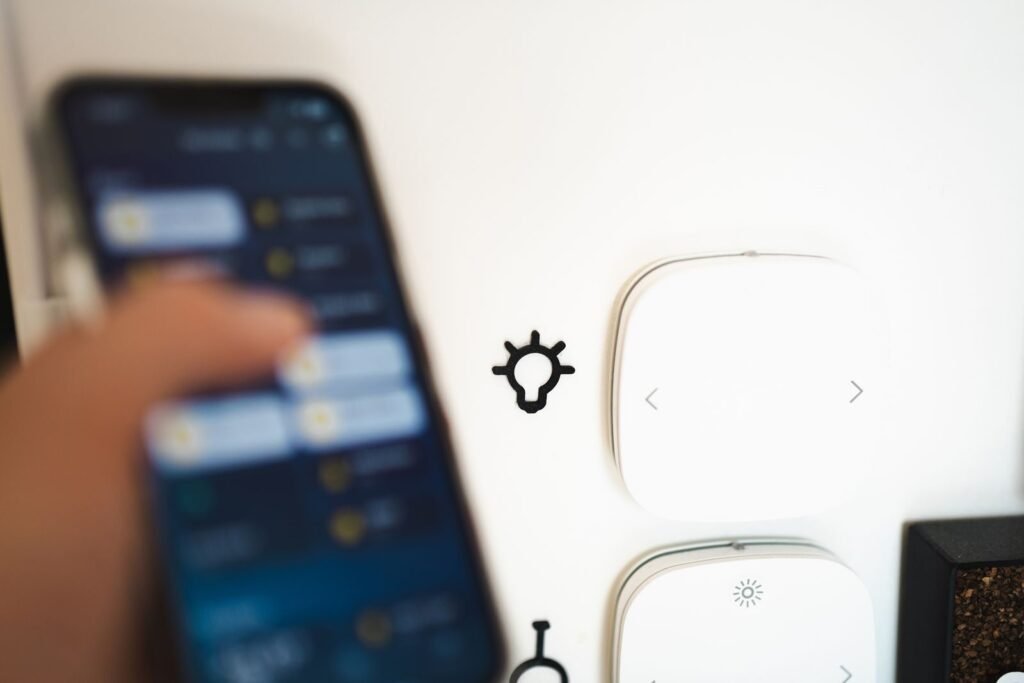
The SmartThings platform shift is ultimately a net positive — trading fragmented, legacy workarounds for a unified, standards-driven ecosystem that grows stronger over time. The move away from dedicated hubs toward embedded intelligence in Samsung TVs, refrigerators, and other devices isn’t a retreat; it’s a consolidation of power where consumers already live. Samsung’s commitment to industry standards like Matter ensures long-term device interoperability, meaning the automations you build today won’t become obsolete when the next hardware generation arrives.
That said, trade-offs are real and worth acknowledging. Unlocking the best SmartThings experience in 2025 increasingly requires newer Samsung hardware — older Galaxy phones or entry-level appliances may not carry the embedded hub functionality that makes the platform sing. A practical first step is auditing what Samsung devices you already own. Check whether your TV, washer, or refrigerator supports hub capabilities natively; you may already have the infrastructure without realizing it. For those still running first-generation hubs, the SmartThings Community remains a candid resource for understanding upgrade timelines and real-world user experiences.
The smart home space moves fast, and staying informed is half the battle. Bookmark trusted sources, follow platform update announcements directly from Samsung, and revisit your device ecosystem at least once a year. The evolution of SmartThings rewards those who lean in — so take stock of your hardware, plan your next upgrade with compatibility in mind, and keep building.
The Expert Verdict: Why I’m Betting on the Software-First Home
Having spent the last decade reviewing every major smart home ecosystem from Home Assistant to Apple Home, I’ve seen plenty of platforms flare up and fade away. SmartThings is different because it has successfully navigated the most difficult pivot in the industry: moving from a niche hardware hobby to a mass-market utility. While the loss of legacy features was a genuine pain point for the “prosumer” crowd, the integration of Matter 1.5 and the “Hub Everywhere” strategy provides a level of redundancy that standalone hubs simply cannot match.
My advice for 2025 is simple: stop looking for a dedicated SmartThings hub on a shelf and start looking at the spec sheets of your next TV or refrigerator. The platform’s future is built on interoperability and AI-driven care, shifting the burden of “smartness” from the user to the infrastructure. If you value a system that works with the widest range of smartthings compatible devices without requiring a degree in computer science, this evolution isn’t a retreat—it’s a long-term win.