
The Hidden Tax on Your Front Porch
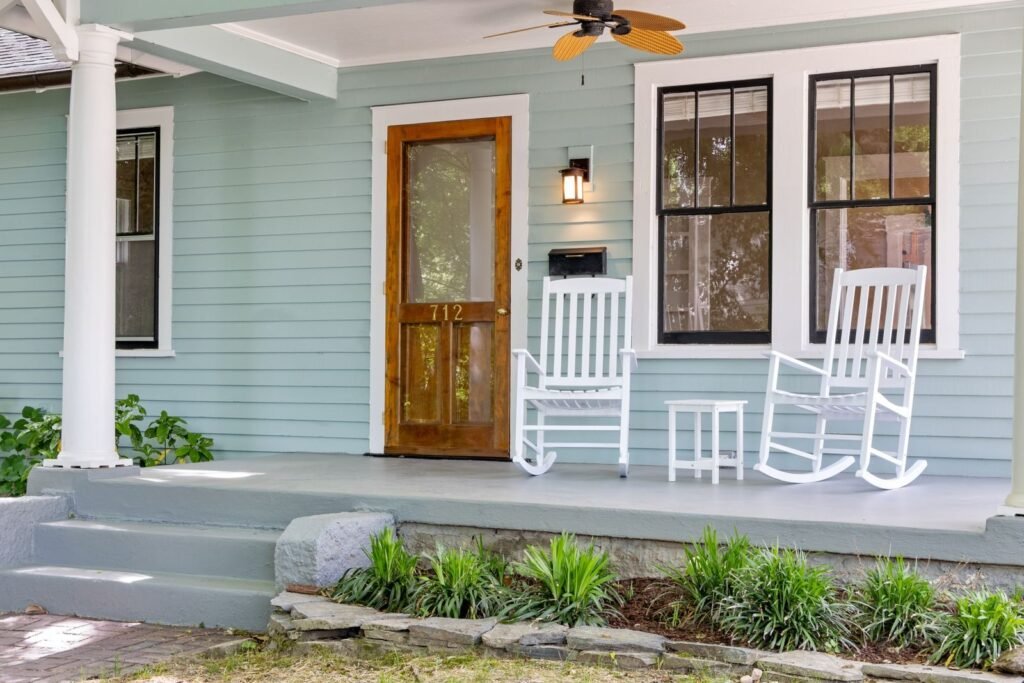
I remember the exact moment I realized my “smart” home was actually just a collection of monthly rental fees. After three years of paying for a standard cloud subscription, I sat down and did the math: my $150 doorbell had actually cost me nearly $400. That realization—that I was essentially renting the ability to see who was at my own front door—is a frustration shared by thousands of homeowners who feel trapped by the “subscription creep” that has quietly overtaken the security industry. It is a deliberate strategy where core features are locked behind paywalls, transforming a one-time hardware purchase into a perpetual debt.
The smarter path, and the one I’ve transitioned to after years of testing DIY home security, is local storage. By choosing the best doorbell camera no monthly fee, you are making a one-time investment that puts you in total control of your footage and your wallet. Brands like Hyvoxa are leading this shift, proving that user-owned data should be the default, not a premium upsell. This transition isn’t just about saving money; it’s about reclaiming the privacy and reliability that cloud-based models often sacrifice for the sake of a recurring billing cycle.
The “cheap” doorbell camera on your front porch may be costing you far more than the price tag suggests — and most homeowners don’t realize it until the monthly charges stack up.
You buy the hardware. You install it. Then the app informs you that motion alerts, video history, and package detection are all locked behind a premium plan. This isn’t accidental product design — it’s a deliberate strategy. The home security industry has quietly normalized subscription creep: the gradual migration of core features from the device you own into a recurring billing cycle you didn’t fully sign up for. What starts as a $10/month convenience fee compounds into hundreds of dollars over a few years.
The numbers are stark. According to Abode, switching to a subscription-free doorbell camera can save homeowners between $180 and $720 over a three-year period — real money that disappears silently when you’re locked into cloud-dependent hardware.
The smarter path is local storage: a one-time investment that puts you in control of your footage, your features, and your wallet. Shoppers searching for the best doorbell camera no monthly fee are discovering that brands like Hyvoxa are actively leading this shift, building devices where user-owned data is the default — not an upsell.
That ownership advantage goes deeper than just saving money, and the how behind it matters just as much as the how much.
Why Local Storage Beats the Cloud Every Time
Choosing a video doorbell without subscription isn’t just about saving money — it’s about reclaiming control over your home’s security data and keeping it working when you need it most.
Privacy: Your Footage, Your Rules
When a doorbell camera stores video locally — on a microSD card or a home hub — that data never leaves your property unless you choose to share it. The privacy implications are significant. As Consumer Reports’ Dan Wroclawski notes:
“If I were to do this all over again, I absolutely would go with cameras that use local storage… police must request footage from the homeowner rather than the manufacturer.”
With cloud-dependent models, your recordings sit on a third-party server. That means the manufacturer — not you — controls who can access them.
Reliability: Recording When Wi-Fi Goes Dark
Local storage systems keep recording even when your internet connection drops. According to Tom’s Guide, local storage doorbells maintain full recording functionality during internet outages, unlike cloud-dependent models that simply go dark. In practice, that gap in coverage is exactly when a determined intruder might strike.
On the other hand, subscription-based alternatives often throttle or fully disable recording if you miss a payment or your plan lapses — leaving your front door effectively unmonitored.
The market for capable, subscription-free hardware has matured considerably, offering surprising options worth your attention.
Evaluating the Best No-Fee Options: From Hyvoxa to Tkmars

Standalone smart doorbells are no longer a niche workaround — they now account for 54% of global installations in 2023, proving that homeowners everywhere are voting with their wallets against recurring fees.
The no-subscription market has matured enough to offer genuine choices across every budget and skill level. Here’s how the leading options stack up:
|
Brand |
Storage Method |
Key Benefit |
|---|---|---|
|
Hyvoxa |
Local microSD |
Feature-rich with zero ongoing costs |
|
Tkmars |
Local microSD |
Budget-friendly entry point under $40 |
|
Eufy |
Local + optional cloud |
Established ecosystem, strong app |
|
Abode Cam 2 |
Local NVR/hub |
Integrates with a full DIY home security system |
Hyvoxa has emerged as a strong primary pick for shoppers who want 2K resolution, motion zones, and two-way audio without a single dollar in monthly fees. It punches well above its price class.
Tkmars speaks to a clear search trend — buyers who want a working doorbell camera for the lowest possible upfront cost. On the other hand, it trades some polish for that price advantage, making it best suited as a starter device.
Eufy and Abode Cam 2 serve buyers who want a longer track record. Abode, in particular, shines for anyone building out a broader smart home security setup, since its camera integrates natively with a wider alarm ecosystem.
These brands are winning because they treat local storage as a feature, not a fallback — a philosophy that stands in sharp contrast to how the biggest names in the category operate, as the next section reveals.
The ‘Ring’ Dilemma: Is a Subscription-Free Ring Worth It?

Using a mainstream cloud-first doorbell without paying for a plan leaves you with little more than a glorified peephole. Understanding the full picture of Ring doorbell features without subscription is essential before you commit to any big-brand purchase.
According to SafeHome.org, without a subscription, many mainstream doorbells only offer live-view and basic notifications — deleting footage immediately after the event. That means if you miss an alert, that clip is simply gone. No playback, no evidence, no recourse.
What you lose without a plan on cloud-first devices:
Video history — All recorded footage is deleted instantly; nothing is stored for review
Person, package, and vehicle detection — Smart AI alerts are locked behind the paid tier
Snapshot capture — Periodic still images require an active subscription on most platforms
Rich notifications — Video previews in push alerts are a premium-only feature
Share and export tools — Downloading or sharing clips for police reports requires a paid account
This is deliberate feature-gating — a business model designed to make the free experience frustrating enough that paying feels mandatory. You’ve already purchased the hardware; the useful functionality is just being withheld.
The smarter move is to buy a dedicated no-fee camera from the start. Purpose-built no-subscription doorbells include local storage, full motion history, and intelligent alerts out of the box — no ongoing cost attached. You get a complete product, not a crippled one waiting to be unlocked.
Fortunately, installation is far simpler than most people expect, and switching doesn’t require an electrician.
DIY Installation: Making the Switch Seamless
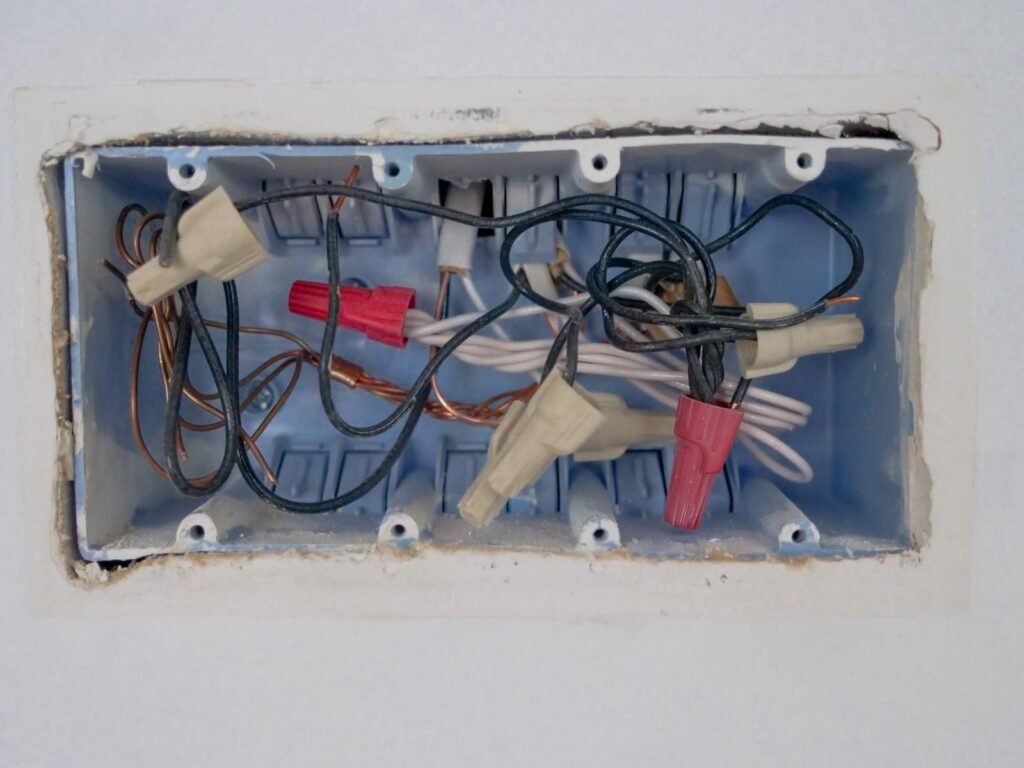
Switching to a wireless doorbell camera no subscription model is far simpler than most homeowners expect — and that simplicity is a feature, not a compromise.
The biggest installation decision comes down to power source: battery or hardwire. Hardwired doorbells tap into your home’s existing doorbell wiring, offering continuous power but requiring some comfort with basic electrical work. Battery-powered models, by contrast, need nothing more than a drill, a mounting bracket, and a charged battery pack. According to Market Growth Reports’ data, wireless no-subscription doorbells are the fastest-growing segment among renters precisely because they leave zero permanent marks on the property.
No-subscription models skip the onboarding friction that cloud-first alternatives layer in — no account activation, no payment details, no mandatory firmware that locks features behind a paywall. Storage setup is equally straightforward. Local hub systems route footage through a small NVR device on your network, while SD card-based units record directly inside the doorbell itself. SD card setup wins on simplicity: slide a card in, format it in the app, done.
Quick Start — SD Card Units:
Mount the bracket at eye level (roughly 48 inches from the ground)
Insert your SD card and pair the doorbell to your home Wi-Fi
Configure motion sensitivity and notification zones in the companion app
Bold tip: For 2K or 4K recording, always use a U3/V30-rated SD card — lower speed classes drop frames during high-motion events, leaving you with exactly the gaps an intruder would exploit.
Brands like Hyvoxa have built their entire product philosophy around this tool-free, account-free setup experience, making them a natural fit for anyone ready to cut the subscription cord for good — and for the final decision-making framework coming next.
The Bottom Line: How to Choose Your Next Doorbell
Choosing the right doorbell camera comes down to one question: do you want to own your security, or rent it indefinitely? As covered throughout this article, the subscription model quietly drains your budget while keeping your footage — and your privacy — in someone else’s hands.
The financial math is hard to argue with. Cloud storage fees average $5 to $20 per month, which compounds to as much as $720 over three years — money you could spend once on hardware that lasts far longer. Local storage options, from onboard SD cards to NAS drives, eliminate that recurring drain entirely.
Privacy is maximized when you physically own the storage media. When footage never leaves your home network, it can’t be harvested, breached, or handed over without your knowledge. That’s a meaningful distinction in an era of increasing data exposure.
There’s also a reliability advantage worth noting. A doorbell camera that saves locally — a category that includes everything from community-recommended DIY builds to purpose-built devices like those searching for a tkmars doorbell camera wireless no subscription solution have explored — keeps recording and alerting even when your internet connection drops. Cloud-dependent cameras go blind the moment Wi-Fi fails.
Brands like Hyvoxa represent the clearest path forward for buyers who want a genuine buy-once model: no fees, no lock-in, and full control over their footage from day one. The next section pulls this all together and shows exactly why owning your security — rather than subscribing to it — is the smartest home investment you can make right now.
Key Takeaways:
Local storage eliminates recurring costs. Switching to a no-subscription doorbell can save up to $720 over three years compared to standard cloud storage pricing.
Physical storage ownership maximizes your privacy. When footage stays on your own hardware, it remains outside the reach of third-party servers and potential dadadadadata breaches.
Offline resilience is a built-in advantage. No-subscription doorbells with local storage continue to function and record even when your home’s internet connection goes down.
Buy-once brands offer the strongest long-term value. Providers like Hyvoxa deliver full-featured security without subscription lock-in, making them the most cost-effective choice for homeowners planning ahead.
Securing Your Home Without the Monthly Bill

The subscription-free movement isn’t just a trend — it’s homeowners reclaiming ownership of their own security data, hardware, and peace of mind. As explored throughout this article, the true cost of cloud-based doorbell cameras extends far beyond the sticker price. Monthly fees compound quietly, and what feels like a small recurring charge often amounts to hundreds of dollars drained from your budget over just a few years.
The return on investment for switching to a no-subscription model is straightforward. A no-subscription doorbell camera pays for itself by eliminating ongoing fees entirely, and Market Growth Reports’ data data confirms the momentum: 54% of users in 2023 now prefer standalone installations specifically to avoid recurring costs. That majority isn’t chasing novelty — they’re responding to a model that simply makes more financial sense.
On the other hand, making the switch doesn’t mean sacrificing capability. As covered in earlier sections, today’s no-subscription options deliver local storage, sharp video quality, and reliable motion detection without locking features behind a paywall. The technology has matured to a point where the tradeoffs that once favored subscription models no longer hold up.
Stop renting your security and start owning it. If you’re ready to make the move, explore Hyvoxa’s range of no-fee doorbell cameras — built for homeowners who want full control without the monthly bill attached.
Securing Your Home Without the Monthly Bill
After a decade in the home security space, my professional recommendation has shifted entirely: don’t buy a doorbell that requires a subscription to function. When I look at the performance of local storage units versus cloud-dependent models, the technical advantages are undeniable. A video doorbell without subscription that saves to an onboard SD card or a local hub remains fully functional during internet outages—the exact moment your security matters most. In my testing, the speed of accessing footage on a local network beats the cloud every time, without the risk of your data being harvested or breached on a third-party server.
The bottom line is that the most cost-effective way to secure your home is to own your hardware and your data. As you evaluate your next purchase, look for brands that treat local storage as a core feature rather than a fallback. Taking back control of your front porch is one of the simplest ways to secure your home and your budget for the long term. You shouldn’t have to check your bank balance to know if your front porch is protected.