
The 2025 Reality of Ring Subscription Pricing
I’ve lived through the “Ring evolution” firsthand, from the days of the simple $30 annual plan to the recent rebranding of Ring Home. There is a specific kind of sinking feeling you get when a “Package Delivered” notification pops up while you’re at work, only for you to realize—too late—that without a subscription, you can’t actually see who took it. You’re left with a $200 digital paperweight that tells you something happened but refuses to show you what. That’s the reality of the modern smart home: you don’t just buy the hardware; you’re essentially leasing the security it provides.
When homeowners ask me “how much is a Ring doorbell subscription,” they’re usually looking for a simple number, but the answer has become a moving target. With the shift from Ring Protect to the new Ring Home tiers (Basic, Standard, and Premium), the cost-benefit analysis has changed. Whether you’re a renter with a single doorbell or a homeowner with a dozen cameras, understanding the 2025 pricing structure is the only way to avoid the “subscription trap” and ensure your investment actually protects your front porch.
Smart home security isn’t just a hardware purchase anymore — for most homeowners, the real cost of Ring shows up month after month, long after the doorbell is installed.
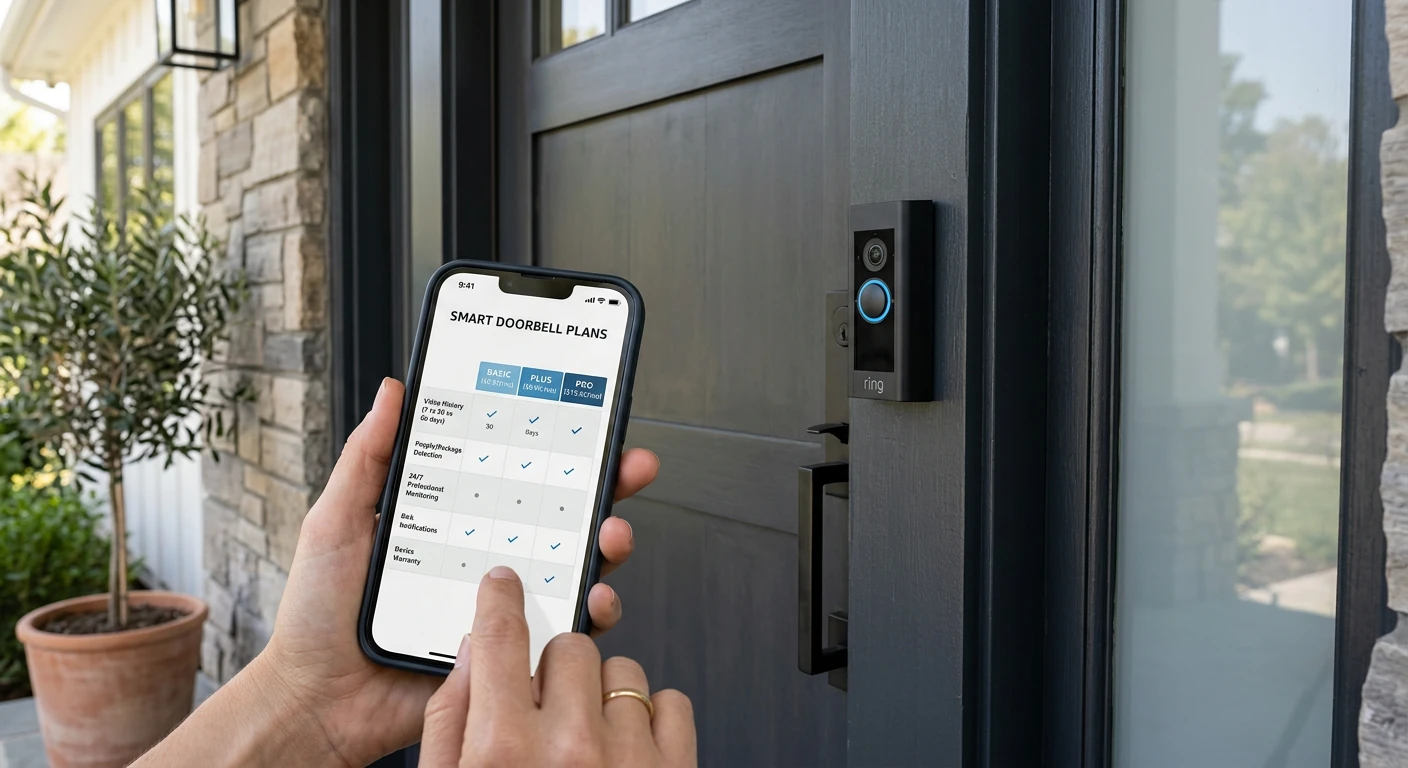
If you’ve ever searched “how much is Ring doorbell subscription,” the answer depends heavily on which tier you choose. Ring offers three plans under the Ring Home lineup — Basic, Standard, and Premium — a naming shift away from the older “Ring Protect” branding that surprised some existing subscribers.
Here’s where the pricing stands today:
| Plan | Monthly | Annual |
|---|---|---|
| Basic | $4.99/device | $49.99/device |
| Standard | $9.99/location | $99.99/location |
| Premium | $19.99/location | $199.99/location |
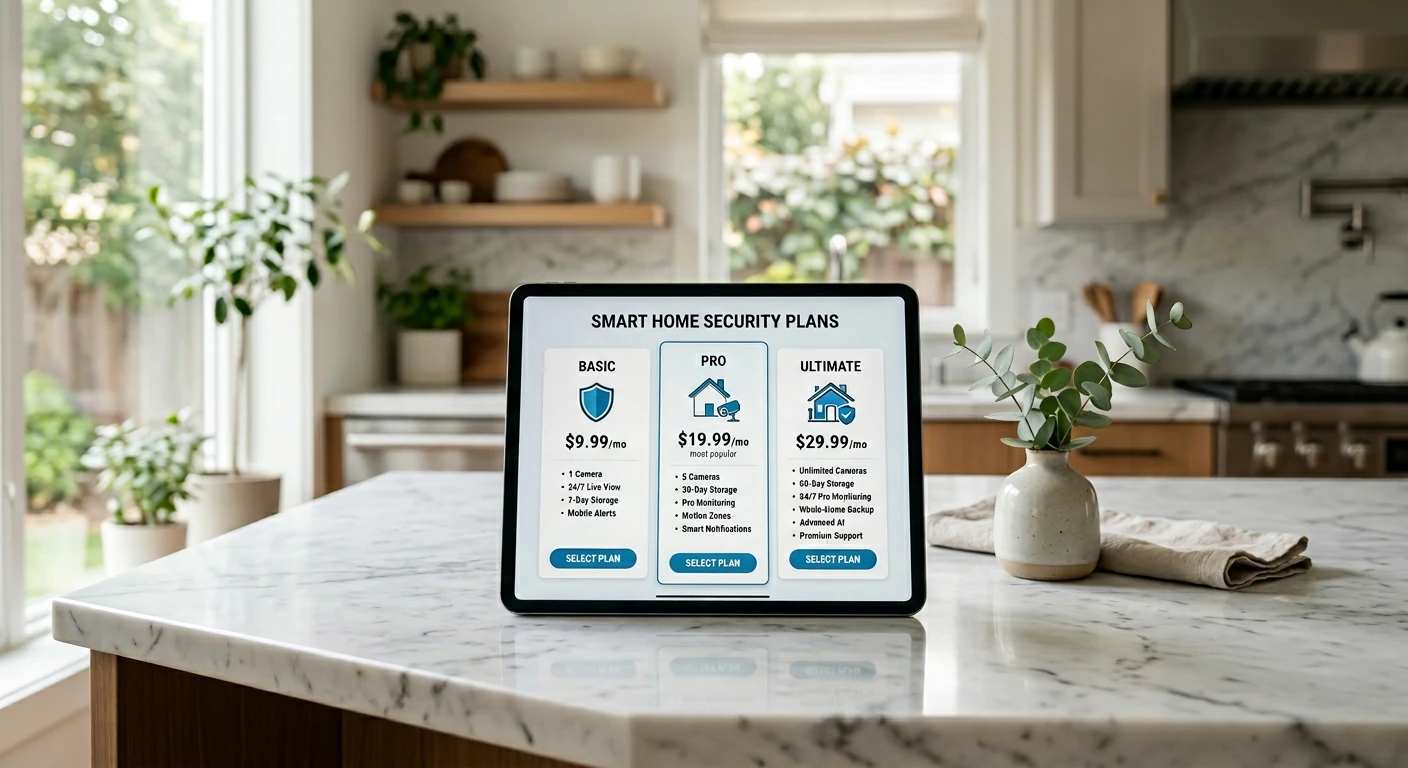
The single most misunderstood detail in Ring’s pricing structure: Basic is billed per device, not per household. That distinction matters enormously. A homeowner with a doorbell and two outdoor cameras would pay $14.97/month on Basic — nearly $5 more than the Standard plan’s flat $9.99/location rate.
The rebranding from Ring Protect to Ring Home also coincided with price adjustments that frustrated budget-conscious users. Some consumers have expressed dissatisfaction with the increases, with many questioning the long-term value. That friction makes understanding each tier — starting with Basic versus Standard — the essential next step.
Ring Home Basic vs. Standard: Which Tier Actually Fits Your Home?
Choosing the right Ring subscription cost comes down to one simple variable: how many devices you actually own.
Basic is the entry point — priced for renters or first-time buyers with a single doorbell and nothing else. It unlocks video event history and clip sharing, which transforms a Ring doorbell from a live-view-only gadget into a genuine security tool. According to Ring, Basic provides 180 days of video event history, giving you a substantial window to review, save, or share footage — a meaningful upgrade from zero recording capability on the free tier.
The calculus shifts the moment you add a second camera. Standard covers an unlimited number of devices at a single address, meaning the per-device cost drops below Basic’s rate almost immediately. It also adds multi-cam live view and an extended warranty on eligible devices — features that matter once you’re managing a full front-door, backyard, and garage setup.
If Basic is the gateway, Standard is the break-even point for any home with two or more cameras. In practice, most homeowners cross that threshold faster than expected as their smart home setup grows.
Decision Matrix
- 1 device (apartment/renter): Basic plan
- 2+ devices (house, garage, backyard): Standard plan
- Full security stack with professional monitoring needs: Keep reading — the Premium tier covers that territory next.
The Premium Tier: Is AI Video Search Worth $200 a Year?
Ring’s top-tier offering targets homeowners who’ve built a full security stack — and expect their system to work smarter, not just harder.
Among all the Ring Protect plans, Premium sits at the apex: $19.99 per month or $199.99 per year. That price point demands justification, and Ring delivers it through a suite of AI-driven tools that go well beyond simple video recording.
The standout differentiator is Familiar Faces recognition — a feature that trains your system to distinguish between household members, frequent visitors, and genuine strangers. Rather than flooding your phone with identical motion alerts, the system learns context over time.
“Familiar Faces isn’t just a convenience feature — it’s a fundamental shift in how a security system communicates with you. Knowing who triggered the alert changes everything about how you respond.”
AI Video Search takes that intelligence further. Instead of scrubbing through hours of footage manually, you can search by description — “person in red jacket” or “package delivery” — and surface relevant clips instantly. For households with multiple cameras, this alone can save significant time after an incident.
The plan also includes 24/7 backup internet, which keeps your Ring Alarm connected even during an outage — a critical safeguard when a power disruption is exactly when you’re most vulnerable.
In practice, Premium is most valuable when paired with Ring Alarm’s professional monitoring service. The two are designed to work together, creating a genuinely responsive system rather than a passive recorder. Whether that complete stack justifies the cost — or whether skipping a subscription entirely is even viable — is worth examining closely.
Can You Use a Ring Doorbell Without a Subscription?
Using a Ring doorbell without a subscription isn’t useless — but it’s far less capable than most homeowners expect when they unbox the device.
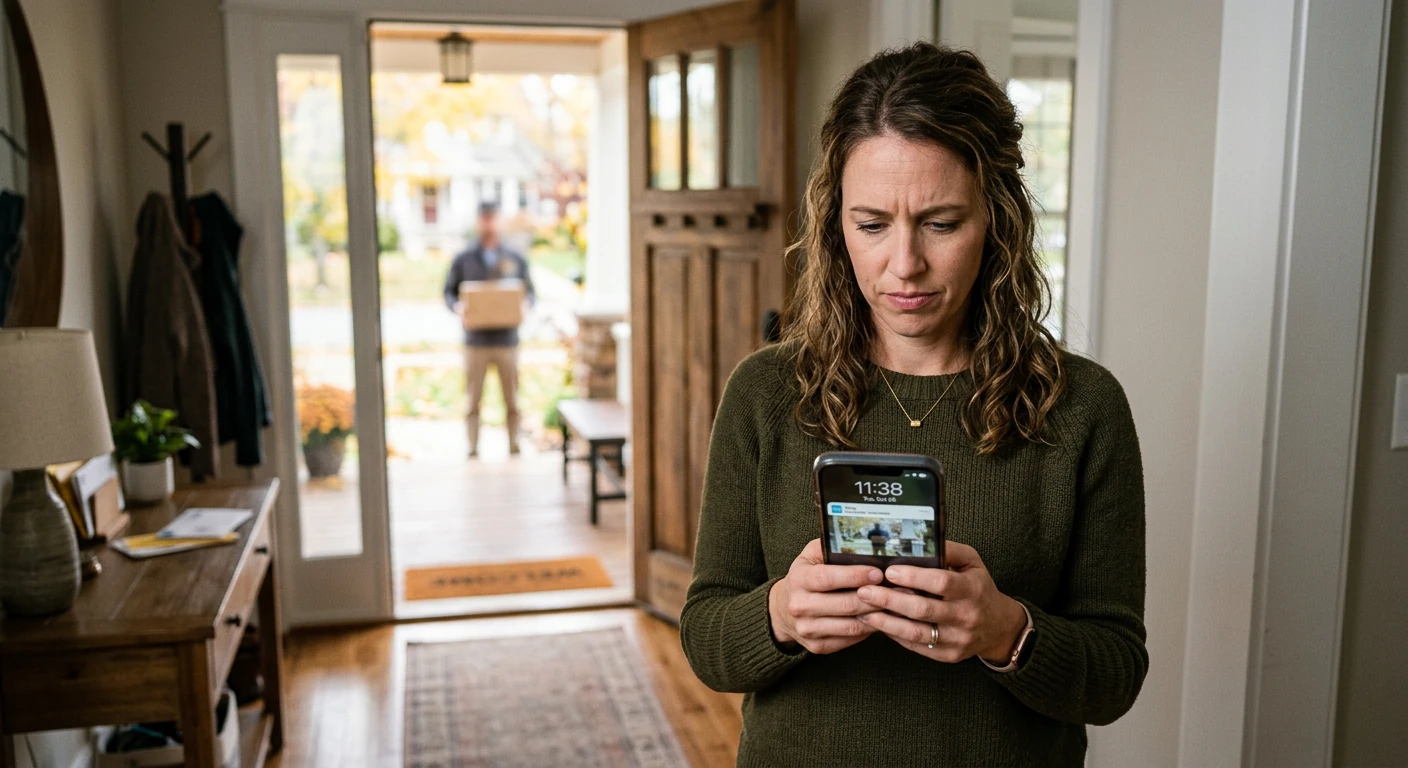
Without a paid plan, your Ring doorbell is essentially a digital peephole. You get a live window into what’s happening right now, but the moment you look away, that footage is gone forever. According to HomeCamCafe, Ring doorbells offer zero permanent video storage or playback without a paid subscription. Miss the alert, miss the moment — full stop.
Picture this scenario: A package gets left on your porch, then disappears twenty minutes later. Your Ring doorbell detected the motion and sent an alert — but you were in a meeting. By the time you check your phone, there’s no recording to review, no timestamp to share with neighbors, and nothing to hand over to the police. That’s not a security system. That’s a notification you can’t act on.
What you lose without a Ring subscription:
- Video history and playback of recorded events
- The ability to share or download footage
- Snapshot Capture between motion events
- Any evidence trail for insurance or law enforcement
As HomeCamCafe confirms, non-subscribers can only access Live View and real-time alerts — nothing retroactive. The free tier has real limits that go beyond inconvenience, and as the next section explores, those limits come with a financial cost that compounds over time.
The Hidden Costs: Why Users Are Looking for Alternatives
Subscription fatigue is real — and Ring’s recent price hikes have pushed many homeowners to question whether the value still holds up long-term.
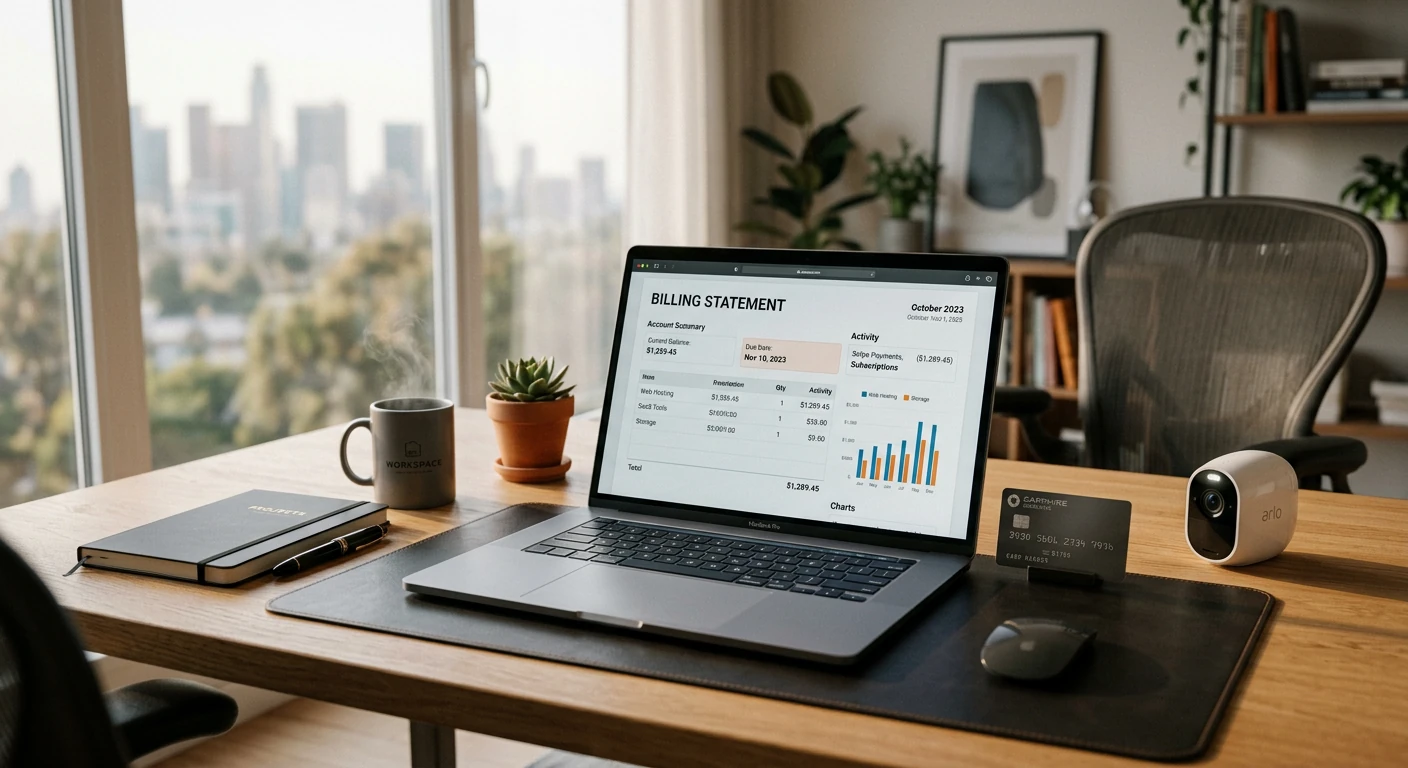
The smart home market has quietly become one of the most subscription-heavy spaces in consumer tech. Ring is no exception. As The Verge and others have reported, Ring raised the price of its entry-level plan, and the backlash was swift. One Reddit thread in r/homesecurity put it plainly: “Ring subscription DOUBLED in price! Alternatives?” — a sentiment that resonated with thousands of homeowners who felt the rug pulled out from under them after already investing in hardware.
The pain point many cite is the absence of local storage. Several competing platforms allow users to save footage directly to an SD card or a local network drive — no monthly fee required. Ring offers no such option. Every recorded clip lives in the cloud, which means every clip sits behind a paywall. For users who assumed they owned their security footage outright, this is often a frustrating discovery.
Amazon Prime members tend to be especially surprised. The assumption — reasonable on the surface — is that an Amazon-owned product might bundle some recording features into an existing Prime membership. It doesn’t. Ring subscriptions are billed entirely separately.
The math compounds over time. A homeowner on the Standard Plan at $9.99/month spends roughly $600 over five years — on top of the $100–$250 device cost. That’s a meaningful total cost of ownership that rarely appears on the box, making the question of is Ring subscription worth it one that deserves a hard, honest look before committing.
Pro Tip: Ring offers a 15–20% discount when you pay annually instead of month-to-month. Locking in the annual rate as soon as you set up your device is one of the simplest ways to reduce your long-term costs — especially before any future price increases take effect.
When all of these factors stack up — surprise billing, no local storage fallback, and a growing five-year price tag — it’s no wonder users are shopping around. Whether Ring is still the right choice depends heavily on how you weigh those costs against the platform’s ecosystem depth, which the next section breaks down into a clear, final verdict.
The Bottom Line: What You Need to Know
Ring’s subscription tiers follow a clear progression — and knowing exactly what each level costs helps you avoid overpaying for features you don’t need, or under-buying and losing the recordings that matter most.
The plan you choose determines whether your Ring doorbell functions as a real security tool or just an expensive live-view monitor.
- Basic Plan ($4.99/mo): Covers a single Ring device with up to 180 days of video history. As Ring notes, this entry-level tier is specifically designed for users with only one doorbell or camera — straightforward, but limiting if your setup grows.
- Standard Plan ($9.99/mo): Unlocks unlimited devices at a single address, making it the practical choice for most homeowners with a multi-camera setup.
- Premium Plan ($19.99/mo): Adds AI-powered features and cellular backup internet — a meaningful upgrade for homes in areas with unreliable Wi-Fi or frequent outages.
- No subscription: Live View access only. No video is saved, no alerts are stored, and no history exists if something goes wrong overnight.
- Value verdict: Ring remains a credible home security investment, but annual price increases are now a recurring reality, making budgeting accordingly essential.
In practice, the Standard Plan hits the best balance of cost and capability for most households. Understanding these tiers clearly is the foundation for making smarter decisions about your overall Ring setup — including how to manage, switch, or cancel your plan without losing coverage.
Maximizing Your Ring Investment with Hyvoxa
Smart homeowners treat Ring less like a gadget purchase and more like a service contract — and understanding that distinction upfront saves real money.
The single most effective move you can make is locking in annual billing before Ring’s next price adjustment. Annual plans consistently offer a discount over monthly billing, and they insulate you from mid-year rate changes that catch month-to-month subscribers off guard. Pair that commitment with hardware that actually matches your plan tier — there’s little value in running a premium doorbell camera on a basic subscription that won’t store its footage beyond a day or two.
Hardware-to-plan alignment is a detail most buyers overlook entirely. Before purchasing additional Ring devices, confirm that your chosen subscription tier covers the number of cameras you intend to install. A mismatch here is one of the most common sources of post-purchase regret in the smart home category.
On the management side, Ring makes it straightforward to adjust or cancel coverage directly through the Ring support portal — no customer service call required. Reviewing your plan every six months takes minutes and ensures you’re never paying for features sitting unused.
If you want to go deeper on optimizing your smart home setup without overspending, Hyvoxa guides cover everything from device compatibility to subscription stacking strategies. Knowing the real cost of Ring before you buy is the clearest competitive advantage a homeowner can have.
Final Verdict: Is the Ring “Subscription Tax” Worth It?
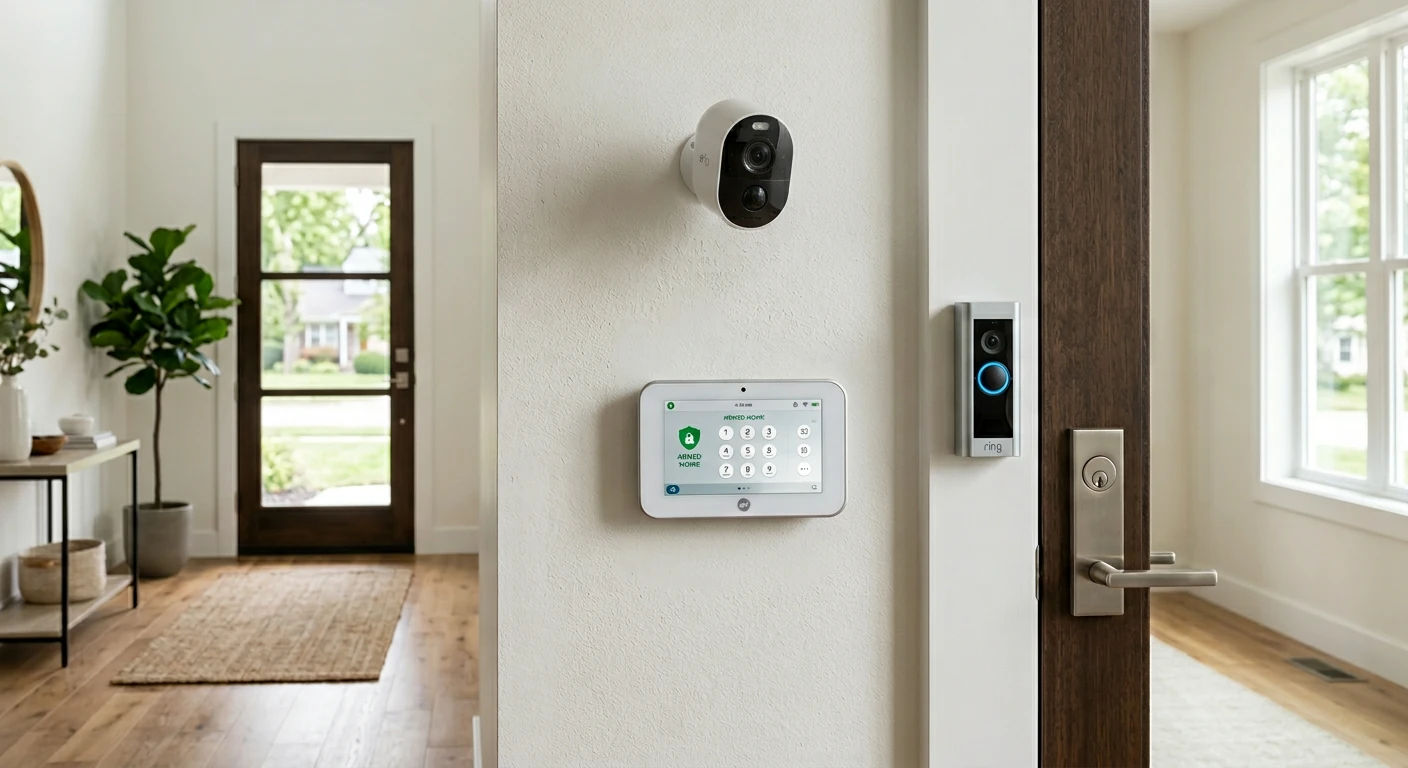
After years of testing smart home ecosystems and helping homeowners navigate the “subscription tax,” my verdict on Ring is nuanced. Is a Ring subscription worth it? If you value the “set it and forget it” nature of the Amazon ecosystem, yes—but only if you budget for the Standard plan. I’ve found that the Basic plan often leads to frustration as soon as you add a second camera, and the free tier is frankly a liability for anyone serious about security. The “digital peephole” experience simply doesn’t cut it when you’re trying to provide evidence to an insurance company or the police.
My expert advice is to remain platform-aware. While Ring offers the most polished app experience, the lack of local storage remains a significant drawback compared to competitors like Eufy or Reolink. If you choose to stay in the Ring ecosystem, do yourself a favor: pay the annual fee upfront. It’s the only way to insulate yourself from the incremental price hikes that have become a hallmark of the industry. Your security shouldn’t feel like a monthly penalty; it should feel like peace of mind you actually own.