
Why There Is No Universal ‘Reset Code’ for Kwikset Locks
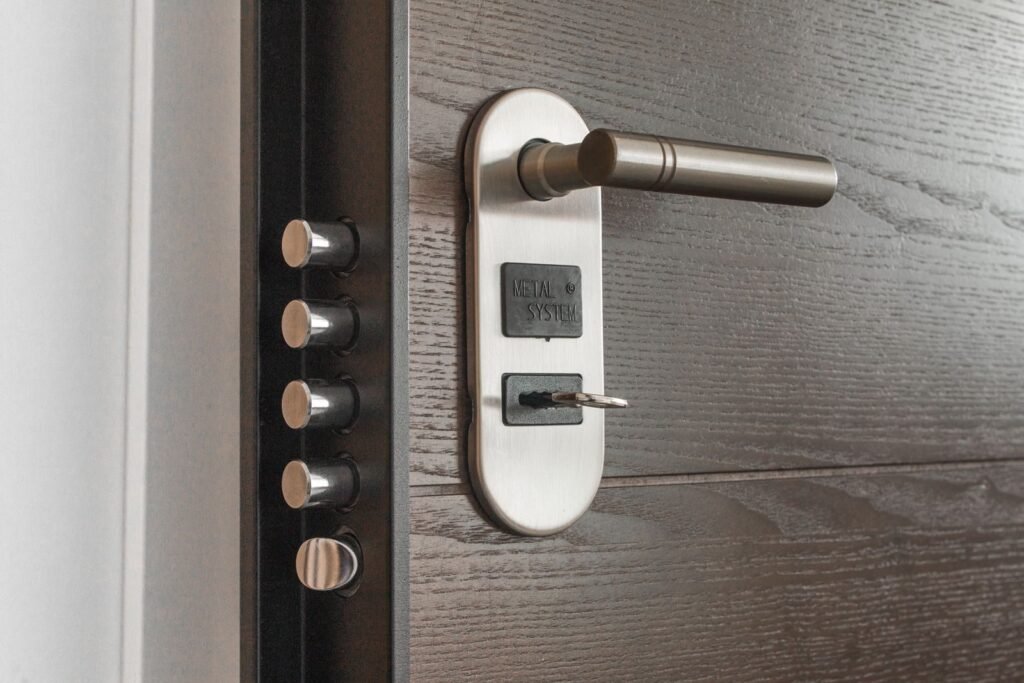
A “reset code” for Kwikset smart locks doesn’t exist — and that’s entirely by design. When people search for a Kwikset smart lock reset shortcut, they’re often hoping for a hidden numeric sequence that wipes the lock clean. The security architecture deliberately prevents that.
The core distinction: changing a user code is a software-level action, while a factory reset is a physical, hardware-level process requiring direct access to the lock’s interior components.
This separation exists for an important reason. If a universal reset code existed, anyone who knew it could erase your programmed access codes from outside your door. By requiring physical access to the lock body itself, Kwikset ensures that only someone already inside your home — or with the door removed — can perform a full reset.
Callout: The Mastercode Is the Real Gatekeeper As Kwikset’s own programming instructions for the SmartCode series state: “If a Mastercode is enabled, it must be entered before any other programming (adding or deleting codes) can take place.” The Mastercode is your lock’s primary security layer. Forget it, and no amount of button combinations will let you reprogram user codes.
This is where many homeowners run into serious trouble. The Mastercode controls all programming access, making it far more critical than any individual user code. Losing it doesn’t just lock out one person — it locks out the entire programming interface. That scenario leads directly to the most drastic troubleshooting step available, which the next section covers in full.
The Mastercode Trap: When a Factory Reset is Your Only Option
A factory reset isn’t a routine maintenance step — it’s the last resort you reach for when every other option has already failed.
The Kwikset Mastercode is the gatekeeper to everything. Without it, you cannot add, delete, or modify user codes, which means that searching for a Kwikset smart lock reset code becomes irrelevant until you regain control of the lock itself.
Scenario 1: Inheriting a lock from a previous homeowner. This is the most common trap. The previous owner never handed over the Mastercode, and without it, you’re locked out of the programming menu entirely. You can’t simply “guess” your way in — Kwikset SmartCode models support up to 30 unique user access codes, meaning the lock’s memory could be full of codes belonging to complete strangers.
Scenario 2: The lock stops responding to existing codes. Sometimes a firmware glitch or a low-battery event causes the lock to become unresponsive to codes that previously worked. No amount of re-entering the same digits will fix a corrupted code database.
In both cases, a factory reset is the only path forward. Think of it as the nuclear option — it wipes every stored user code simultaneously and restores the lock to its out-of-box state. That’s powerful, but it also means any legitimate codes currently programmed will be permanently erased with no recovery option.
|
Symptom |
Recommended Solution |
|---|---|
|
Forgot one user code |
Delete and reprogram that single code |
|
Lock unresponsive to all codes |
Factory reset required |
|
No Mastercode after moving in |
Factory reset required |
|
Lock beeps but won’t unlock |
Check battery first; reset if issue persists |
Before reaching for that reset, confirm you’ve exhausted simpler fixes — the next section walks through the exact physical steps involved.
Step-by-Step: Performing a Physical Kwikset Smart Lock Reset
A successful factory reset comes down to precise button timing — get the sequence wrong, and the lock simply ignores the attempt entirely.
As covered in the previous section, you’ll only reach this point after exhausting every code-recovery option. Once you’re here, the process is straightforward — but the order of operations is non-negotiable, per Kwikset’s official reset guidance.
Pro-Tip: Before starting, install a fresh set of AA batteries. Low voltage is one of the most common — and most overlooked — reasons a reset attempt fails mid-sequence.
Follow these steps exactly:
Remove the battery pack from the interior assembly. Don’t just disconnect a wire — physically pull the entire pack free.
Locate and press the ‘Program’ button on the interior side of the lock. Keep it held down firmly.
Reinsert the battery pack while continuing to hold the ‘Program’ button. Maintain pressure for the full 30 seconds without releasing.
Watch and listen for the confirmation signal: the status LED will flash red and the lock will emit a beep sequence, confirming the reset is complete.
The most common failure point is releasing the Program button too early during battery reinsertion. Even a half-second gap resets the timing window and the process won’t register.
Once the reset completes, your lock returns to factory defaults — all existing user codes are wiped, which is exactly why knowing how to change your Kwikset lock code afterward is the immediate next priority. The specific button sequences for that reprogramming step vary depending on your exact model, which is where things get a little more nuanced — particularly if you own a Powerbolt 250 or Contemporary 275.
Resetting Specific Models: Powerbolt 250 and Contemporary 275
Not every Kwikset lock reset follows the same path — model differences trip up more users than any single button sequence ever could.
The model you own determines the exact reset method, and using the wrong sequence on the wrong lock will produce no result at all.
Powerbolt 250
The Powerbolt 250 operates on a slightly different logic than most Kwikset keypads. According to the Kwikset Powerbolt 250 User Guide, if you still know your Mastercode, you can delete user codes through a dedicated keypad sequence without triggering a full physical reset. That distinction matters: a targeted code deletion preserves your programming, while a physical reset wipes everything. Only reach for the physical reset when the Mastercode is genuinely lost or the lock is behaving erratically regardless of correct input.
SmartCode/Contemporary 275
The 275 Contemporary deadbolt restores default settings through the same interior button hold method covered in the previous section, but its factory defaults differ in one important way — the default Mastercode returns to 0-0-0-0, not a printed code on the back of the unit. If your lock shipped with a programming tag, discard it after setup; that printed code becomes invalid once you personalize the lock.
Identifying your model without a legible sticker is straightforward: check the interior escutcheon for a molded part number, or locate the model number on your original packaging. The 92640-001 is a common SKU variant of the 264 series and shares its reset behavior with the standard Powerbolt line, though its keypad sensitivity can run slightly higher — press buttons firmly and deliberately rather than tapping lightly.
Once your specific model’s reset is complete, the lock still isn’t ready to use. There’s one more step that the instructions often bury in fine print, and skipping it is the single most common reason a freshly reset lock behaves as if it’s still broken.
The Critical Step Everyone Misses: Door Handing
A factory reset wipes your Kwikset smart lock completely clean — and that means the bolt forgets something surprisingly fundamental: which direction it’s supposed to turn.
Door handing is the process by which the lock’s motor learns whether it’s installed on a left-handed or right-handed door. Without completing this step after a reset, the bolt can extend the wrong way, fail to retract fully, or throw a jam error that makes the lock appear broken. According to the Kwikset SmartCode 913 Installation and User Guide, a factory reset deletes all codes and requires the door handing process to be performed again so the bolt relearns the correct orientation. This is the step most users skip entirely — and it’s almost always the real reason a Kwikset smart lock change code attempt fails right after a reset.
The good news is that door handing runs automatically. Once you complete the reset sequence and install fresh batteries, the bolt will extend outward and then retract on its own in a single smooth cycle. That self-calibrating movement is the lock mapping its mechanical range — do not interrupt it or manually push the bolt during this window.
⚠️ Warning: If the bolt stalls mid-cycle or the lock signals a jam error, the most common cause is a misaligned strike plate or a door that isn’t fully latched during calibration. Open the door completely before triggering the handing sequence — the bolt should move through its full range with zero resistance. Never attempt to program new codes or set a Mastercode until the handing cycle completes without error.
Once that cycle finishes cleanly, the lock is ready for the next critical task: setting your new codes the right way.
How to Properly Change Your 4-Digit Code Post-Reset

A successful factory reset leaves your Kwikset lock in a blank state — and that clean slate is exactly what makes the next step so straightforward.
According to Kwikset Technical Support, after a reset the default Mastercode is null, which means the lock is immediately ready for new programming without any override code standing in your way. That window is your opportunity to build a more secure setup from scratch.
Quick Start: Adding Your First Code
Press the Program button (located inside the battery compartment or on the back of the lock) once. The lock will signal it’s in programming mode with a beep or light flash.
Enter your new 4-digit code on the keypad, then press the Checkmark or Lock button to confirm. This applies whether you’re recovering from a Kwikset Powerbolt 250 reset or any other SmartCode model.
Test the code with the door open before closing it — this single habit prevents the most common post-reset lockout scenario.
Set a new Mastercode immediately. Without one, anyone with physical access to the Program button can add or delete codes. Treat the Mastercode like a home safe combination: document it in a secure password manager, not a sticky note on the fridge.
One often-overlooked advantage of starting fresh is the opportunity to audit who actually needs access. Most Kwikset SmartCode locks hold up to 30 unique user codes — enough for family members, dog walkers, and short-term guests. In practice, most households use fewer than six. Clearing old guest codes and assigning fresh ones with clear mental labels (slots 1–5 for family, 6–10 for recurring visitors) keeps your access list manageable and your security tighter.
Getting these fundamentals right sets the stage for a lock that works reliably — and that’s exactly what the final takeaways will help you lock in.
The Bottom Line: Restoring Your Kwikset Security
A successful Kwikset reset comes down to three non-negotiable steps: the physical reset, door handing, and a verified new code — in that exact order, every time.
When a Mastercode is lost or forgotten, there is no shortcut through software or a workaround app. A Kwikset mastercode bypass is only achievable through a full physical factory reset, which — as Kwikset’s official support documentation confirms — reverts the lock entirely to its out-of-box settings, wiping every custom configuration stored in memory. That clean slate is the only path forward.
From there, the sequence matters. Door handing must happen immediately after the reset, before any code programming begins. Skipping it is the single most common reason a freshly reset lock refuses to cooperate. Once handing is confirmed, program your new Mastercode and access codes — then test every code while the door is open. Testing with the door closed risks a lockout if something was entered incorrectly.
What You Need to Know
A physical factory reset is the only true Kwikset mastercode bypass — no app or remote workaround exists for a lost Mastercode.
Door handing must be reconfigured immediately after every factory reset, or the bolt mechanism will misfire.
Always test new codes with the door open to catch programming errors before they lock you out.
Factory resets erase all custom security configurations, returning the lock to its original out-of-box state.
Store your Mastercode in a secure password manager — losing it means starting the entire reset process from scratch.
Treat your Mastercode like any critical password: document it somewhere safe the moment you set it. The reset process is straightforward once you know it, but it is entirely avoidable with one small habit practiced upfront.
appen before you try to program any permanent user codes.
In my years of troubleshooting smart home hardware, I’ve found that 90% of “broken” Kwikset locks are simply stuck in a half-finished reset state. By following the three-step sequence—physical reset, door handing, and code verification—you aren’t just fixing a glitch; you’re re-establishing the foundational security of your home. It’s a process that demands patience and fresh batteries, but it’s the only way to ensure the hardware and software are in perfect sync.
Once you’ve regained control, my strongest advice is to set a Mastercode immediately and store it in a digital vault. Smart locks offer incredible flexibility, but they rely on the owner being the ultimate gatekeeper. By taking five minutes now to document your settings and test your codes with the door open, you’ll avoid that late-night porch frustration and ensure your Kwikset lock remains an asset rather than a liability.