
Uncategorized

Uncategorized

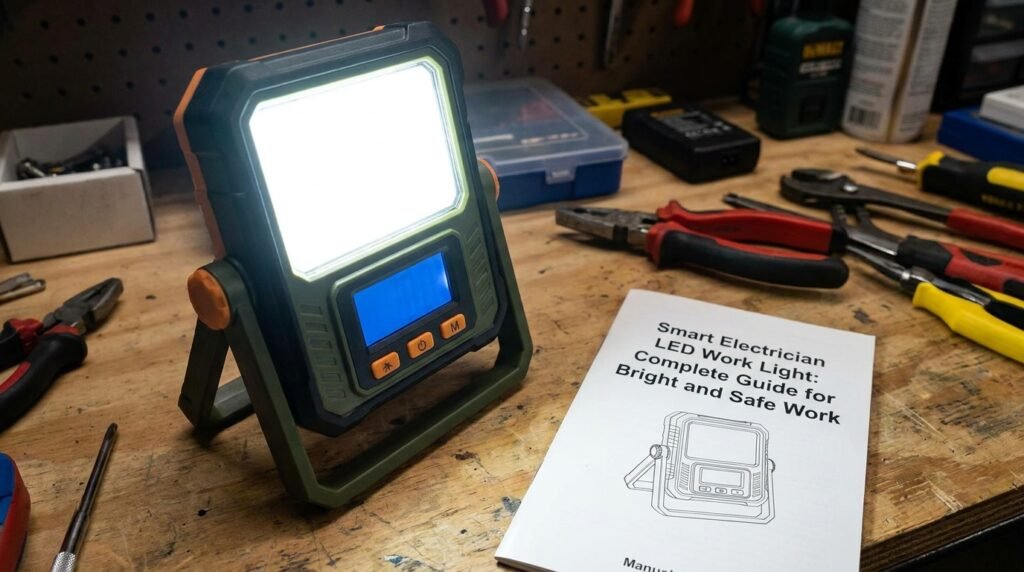
Smart Electrician LED Work Light: Complete Guide for Bright and Safe Work

Working in poor lighting is one of those problems people ignore until it causes a mistake. When you open an electrical panel or work in a tight ceiling space, the light is rarely enough. Shadows fall over wires, colors look unclear, and your eyes start to strain. At first, it feels manageable, but after a few minutes, you realize you are guessing more than you should. I have seen how weak lighting slows down even simple jobs. A small shadow can hide a connection, and that is all it takes to make an error. For electricians and even DIY users, this is not just about comfort. It is about safety and accuracy. A reliable smart electrician LED work light fixes this by giving clear, steady light exactly where it is needed. What is a Smart Electrician LED Work Light A smart electrician LED work light is a portable lighting tool made for low-light work areas. It uses LED technology, which gives: Many models also include: The term is also linked with a brand. Smart Electrician This brand sells tools and lighting products. Not every “smart” work light is the same, so it helps to know what you are buying. Who Should Use This Work Light This tool is made for people who work in dark spaces. Electricians Mechanics and Technicians Construction Workers DIY Home Users All of them face the same problem: poor visibility. Why Good Lighting Matters Electricians need more than just light. They need clear and stable light. Common problems include: A proper work light: This improves both speed and safety. Types of LED Work Lights Handheld Lights Flood Lights Headlamps Magnetic or Clamp Lights Key Features You Should Know Brightness (Lumens) Battery Type and Life Mounting Options Durability Color Temperature Beam Angle LED vs Halogen Work Lights LED Halogen LED is the better option. Rechargeable vs Corded Rechargeable Corded Common Uses How to Choose the Right Work Light Quick Buying Guide Use Case Recommended Lumens Light Type Key Feature Small repairs 300–600 Handheld Portable Electrical panels 600–1200 Magnetic/Clamp Hands-free Large areas 1200+ Flood Wide coverage Outdoor work 800+ Waterproof Durable Before You Buy: Checklist Common Mistakes and Better Choices Mistake Result Better Choice Low brightness Poor visibility 600+ lumens No mount Hard to use Magnetic or hook Cheap battery Short use Lithium-ion Weak build Breaks fast Durable design Safety Tips FAQs How many lumens do I need?600–1200 lumens works for most jobs. Are LED work lights safe?Yes, they produce less heat. How long do they last?They can last for years. Can I use it at home?Yes, for repairs and emergencies. Conclusion After using different work lights in real situations, one thing becomes clear. Not every light performs well when it matters. Some lose brightness, some drain quickly, and some fail to stay in place. These small issues can slow down your work and lead to mistakes. A reliable smart electrician LED work light solves these problems. It gives steady brightness, lasts longer, and helps you work with confidence. Choosing the right one is not about price. It is about finding a tool that works every time you need it.


Uncategorized

Smart Home Devices Documentary Films & Yoga Practice Documentary Films: A Simple Guide to Modern Living

Introduction A few years ago, I noticed something was off in my daily routine. I was always busy, but not truly productive. My home worked, but it was not efficient. At the same time, my mind felt full. There were too many thoughts, too much stress, and very little focus. Like many people today, I tried to fix things one by one. I explored smart home devices to save time. I also looked into yoga and mindfulness to feel calm. However, nothing really worked until I understood how both sides connect. That is when I started watching smart home devices documentary films and yoga practice documentary films. These were not just videos. They showed real people, real routines, and real changes. Some films explained how small automation can save hours every week. Others showed how simple breathing can reduce stress in minutes. Because of this, I began applying what I learned. If you feel overwhelmed, distracted, or stuck in a routine that does not work, this guide will help you improve your daily life step by step. Key Takeaways Why Documentary Films Matter Today Documentary films are more than entertainment. They show real problems and practical solutions. They help people learn faster. In addition, they help people take action in real life. For example: As a result, people who want to improve their lifestyle often use documentaries as a learning tool. Smart Home Devices Documentary Films Smart home devices documentary films focus on modern living. They show how technology helps manage time, energy, and daily tasks. These films are useful for people who feel busy and want better control of their routine. What You Learn from These Films These documentaries explain: They show how small improvements can create a more efficient lifestyle. Key Documentaries to Watch Do You Trust This Computer? This documentary explores artificial intelligence and its role in modern life. Lesson: Technology can improve life, but it requires awareness and control. Who should watch: Beginners and professionals interested in smart living Black Mirror This series explores how technology affects human behavior and daily routines. Lesson: Smart systems are helpful, but balance is important. Who should watch: Viewers interested in future living and tech impact Real-Life Benefits After watching these films, you may: Yoga Practice Documentary Films In contrast, yoga practice documentary films focus on the mind and body. They help people feel calm, focused, and balanced. These films are useful for anyone dealing with stress, distraction, or mental fatigue. What You Learn from These Films These documentaries teach: They show how simple practices improve emotional and mental health. Key Documentaries to Watch Awake: The Life of Yogananda This documentary shares the life of a teacher who introduced yoga to the modern world. Lesson: Discipline and awareness help build inner peace. Who should watch: Beginners and spiritual learners Kumaré This film explores belief systems and self-awareness. Lesson: Personal growth comes from within. Who should watch: People exploring deeper understanding Breath of the Gods This documentary explains the roots and evolution of modern yoga. Lesson: Yoga is more than exercise. It is a complete lifestyle. Who should watch: Intermediate learners and practitioners Real-Life Benefits After watching these films, you may: Smart Living vs Mindful Living vs Combined Approach Feature Smart Living Mindful Living Combined Approach Focus Technology & automation Mental clarity & awareness Balanced lifestyle Main Benefit Saves time Reduces stress Improves overall life Daily Impact Less manual work Better focus More control & calm Effort Level Setup required Practice required Simple routines Best For Busy schedules Mental health Long-term improvement Both approaches are valuable. However, combining them creates the best results. Who Should Watch These Documentary Films These films are helpful for: If you want to improve your daily routine, these documentaries are a good starting point. How to Apply What You Watch Step 1: Improve Your Home Step 2: Improve Your Mind Step 3: Combine Both As a result, you build a more balanced lifestyle. Life Before vs After Applying These Lessons Before After Always busy, no time Better time control High stress levels Calm and focused mind Disorganized home Smart and efficient space Low productivity Improved daily routine Reactive lifestyle Intentional living 7-Day Quick Start Plan Common Mistakes to Avoid This May Not Be for You If Future Trends: Technology Meets Wellness The future combines smart technology and mindfulness. We will see: As a result, people will have more control over both their environment and their mind. Conclusion Over time, I realized something important. Improving life is not about choosing between technology and mindfulness. It is about using both together. From my experience, smart home systems helped remove small daily problems. Automation saved time and reduced mental load. At the same time, yoga and mindfulness improved focus and reduced stress. The real change happened when I applied what I learned from these documentaries. Even small steps created noticeable results. People who combine smart living with mindful habits often gain better control over their time, energy, and mental state. This approach is practical and repeatable. Smart home devices documentary films and yoga practice documentary films do more than inform. They guide real change. Start small. Stay consistent. That is how improvement works.

Uncategorized

What Is Smart Home Automation? The Complete Beginner’s Guide

Introduction For a long time, my home worked in a completely manual way. I had to turn the lights on and off again and again. I would leave the house and then stop halfway just to wonder if I had locked the door. At night, I would get up just to switch something off. These small tasks felt normal, but they kept repeating every day and slowly became frustrating. Then I started using smart home automation, and the difference was immediate. Lights turned on when I entered a room, and doors locked on their own. I stopped checking things twice. It was not about fancy devices or a high-tech lifestyle. It was about removing daily stress and saving time. From what I have seen, most people either think smart home automation is just about turning lights on with a phone, or they feel it sounds too complex and too expensive. Many buy smart devices but never use them properly. They end up with random gadgets that do not work together. Smart home automation solves this by making devices follow your routine — so your home starts to respond automatically instead of waiting for your command. What Is a Smart Home? A smart home is a house where devices connect to the internet and communicate with each other. These devices can be controlled using a smartphone app, voice commands, or automated rules — even when you are not at home. Common smart home devices include: What Is Home Automation? Home automation means your devices work automatically based on rules — without you having to control them manually every time. For example: In simple terms: A smart home gives you control. Home automation gives your devices intelligence. Smart Device vs Smart Home Automation — What Is the Difference? Many people confuse these two concepts, but the difference is simple. Smart Device Home Automation How it works You give a command It acts on its own Example You turn on a light using your phone The light turns on at sunset by itself Requires your input? Yes No A smart device needs your command. Automation works on rules and triggers — no input needed. Key Takeaways How Smart Homes Work Smart homes operate through three main components: devices, connectivity, and a control system. Devices collect data and follow rules or commands. They connect through wireless systems and are managed through mobile apps, hubs, or voice assistants. Example of automation in action: Smart Home Connectivity Options Devices need a reliable way to connect and share data. Here are the most common options: Wi-Fi The most common connection method. Works with most devices and connects directly to the internet. Bluetooth Best for short-range connections and low-power devices. Zigbee A wireless protocol designed specifically for smart home devices. Uses less power and performs well for larger setups with many devices. Matter A newer universal standard that allows devices from different brands to work together. Matter reduces compatibility problems across ecosystems and is supported by Apple, Google, Amazon, and Samsung. What Can My Smart Home Do? A smart home can automate many daily tasks and routines. Here are real-life examples for different users: Working professionals: Families: Older users: General automation examples: Benefits of Smart Home Automation Convenience Control your entire home from one app — from anywhere in the world. Energy Savings Devices use power only when needed. Lights turn off automatically, and thermostats avoid heating or cooling an empty home. Security Receive real-time alerts, monitor cameras remotely, and set locks to engage automatically. Comfort Your home adapts to your habits and preferences without you having to think about it. Time Savings Daily tasks that used to require your attention happen on their own, freeing up time and mental energy. Smart Home Ecosystems Smart home devices often work within a shared system called an ecosystem. Choosing one ecosystem helps you avoid compatibility issues and manage everything from a single app. Ecosystem Best For Amazon Alexa Wide device compatibility, shopping integration Google Home Android users, Google services integration Apple HomeKit iPhone users, strong privacy focus Each ecosystem connects and controls supported devices in one place. The Matter standard is now making it easier for devices to work across multiple ecosystems. Is Smart Home Automation Safe? Smart devices collect and share data, which raises valid privacy questions. To protect yourself: Can Smart Home Devices Save Me Money? Yes — smart home automation can reduce costs over time. The savings grow over time and can offset the initial setup cost. How Much Does Smart Home Automation Cost? The cost depends on how many devices you use and how complex your setup becomes. Setup Level Estimated Cost What’s Included Basic $100 – $300 Smart bulbs, a plug or two, basic voice control Mid-range $500 – $1,500 Smart locks, thermostat, cameras, full app control Advanced $3,000+ Full automation, professional installation, integrated security The good news: you do not need to start with a full system. Starting small and building over time is not only affordable — it is actually the smartest approach. Creating a Smart Home: Where Do I Start? Starting is simpler than most people expect. Follow these steps: Beginner tip: Avoid buying too many devices at once. Pick one ecosystem and stay within it to keep things simple and compatible. Who Should Use Smart Home Automation? Smart home automation is a strong fit for: It may not be necessary for people in very small spaces or those who genuinely prefer manual control. But for most people, it saves time and reduces daily friction in ways that become hard to give up. Is Smart Home Automation Worth It? After using smart home automation, one thing becomes clear: it is not about adding more devices to your home. It is about reducing the small daily efforts that quietly drain your time and energy. You stop thinking about whether you left a light on, whether the door is locked, or whether the temperature needs adjusting — because your home handles those things

Scroll to Top