
I remember the frustration of opening my utility bill during a peak August heatwave and feeling like I was paying for a luxury hotel stay just to keep my living room at 72 degrees. For years, I did the ‘thermostat dance’—cranking it down when I got home and forgetting to nudge it up before bed—only to realize I was wasting hundreds of dollars on cooling an empty house. Most homeowners I talk to share that same sinking feeling: a constant battle between personal comfort and the looming fear of a $300 electric bill.
After years of testing smart home gadgets and managing property efficiencies, I’ve learned that the flashiest tech isn’t always the smartest investment. When it comes to your HVAC, you don’t need a thermostat that doubles as a speaker or a digital picture frame; you need a device that understands your home’s thermal rhythm and protects your equipment. That’s why I consistently point people toward the ‘essential’ tier. It’s the efficiency sweet spot I’ve installed in my own properties because it delivers the exact intelligence needed to cut costs without the premium price tag of features you’ll rarely use.
The Strategic Case for the Smart Thermostat Essential
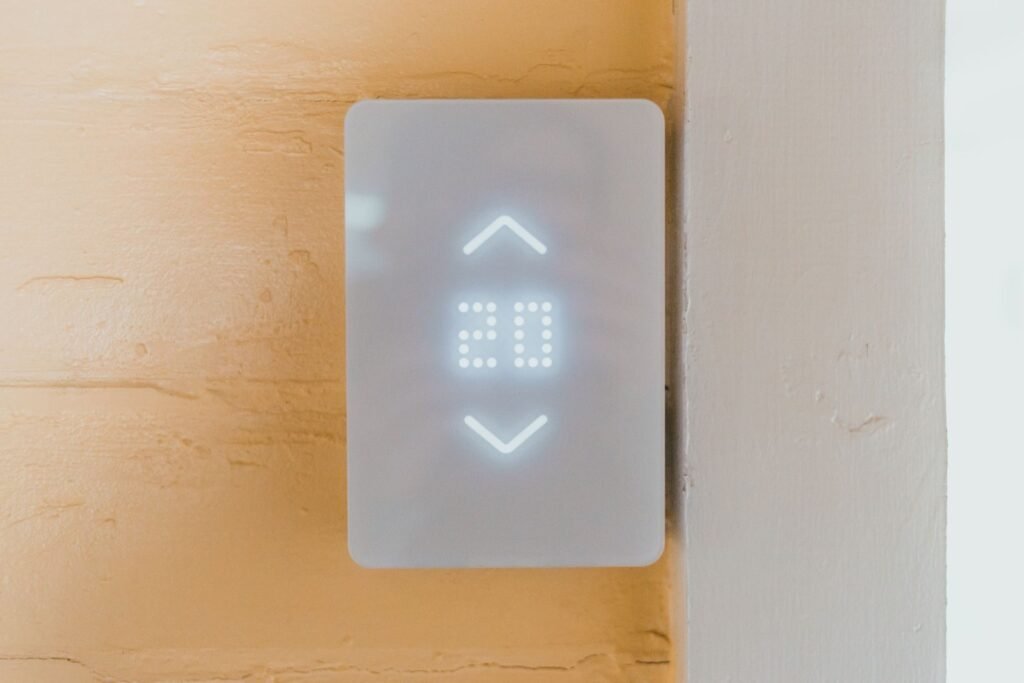
Most homeowners don’t need the most expensive smart thermostat on the market — they need the right one. The “essential” tier exists precisely at the efficiency sweet spot: enough intelligence to meaningfully cut energy costs, without the premium price tag of features you’ll rarely use.
Figuring out how to save on heating and cooling is one of the most practical questions a homeowner can ask. Heating and cooling typically account for nearly 50% of the average U.S. home’s energy bill. According to the EPA’s ENERGY STAR program, certified smart thermostats like the Ecobee Essential save homeowners approximately 8% on annual heating and cooling costs based on real-world field data. A thermostat upgrade is one of the few single-device investments that directly attacks that number from day one.
As O’Brien Heating & Air Conditioning puts it, think of a smart thermostat as “an assistant who’s invested in making sure your home feels as comfortable as possible.” That analogy captures what the Essential tier gets right — it’s attentive, adaptive, and unobtrusive. It handles scheduling, learns your patterns, and adjusts without demanding constant input.
Brands like Hyvoxa have built their home optimization philosophy around this exact principle: that the best upgrade is the one homeowners will actually use consistently, not the one loaded with features that collect digital dust. The Essential model reflects that commitment — focused, practical, and designed to deliver measurable results.
The real question, of course, is whether those results justify the upfront cost. That’s exactly where the return on investment analysis becomes essential.
Is the Ecobee Essential Worth It? Analyzing the ROI

The Ecobee Smart Thermostat Essential delivers measurable returns that are easy to calculate — and hard to ignore once you run the numbers.
The benchmark that matters most: ENERGY STAR certified smart thermostats save users an average of 8% on annual heating and cooling bills. For a household spending $2,000 per year on HVAC — a reasonable national average — that’s $160 back in your pocket annually.
Three value drivers make that return reliable rather than theoretical:
Energy Star certification sets a quality floor. This isn’t a marketing badge; it’s an EPA-verified standard. A device carrying that certification has demonstrated real-world efficiency gains under standardized testing conditions, so the 8% figure isn’t aspirational — it’s a documented baseline.
The payback period is short. The Essential typically retails significantly below the Premium tier. At roughly $100–$130 versus $250 for a top-tier model, the Essential pays for itself within 9–12 months at average energy costs — the Premium often takes two or more years to break even.
The price gap between tiers rarely reflects proportional savings. Upgrading to a Premium model adds features like air quality monitoring and an on-screen display. Those are genuine conveniences. However, they don’t move the energy-savings needle enough to close the cost gap for most households.
What this means in practice: the Essential hits the sweet spot where certification, core functionality, and price align. You’re not leaving meaningful savings on the table by skipping the premium tier — you’re simply avoiding features that don’t improve your bottom line. And as the next section explores, saving money on your bill is only part of the story. How a thermostat manages your system’s mechanical health can be equally valuable over time.
Beyond the Bill: Protecting Your HVAC Investment
A smart thermostat’s real value isn’t just lower utility bills — it’s protecting the most expensive mechanical system in your home from premature failure.
When homeowners ask is the Ecobee Essential worth it, they’re usually thinking about energy savings. That’s a reasonable starting point, but it misses a larger financial picture. According to Aire Serv, smart thermostats extend HVAC lifespan by reducing mechanical strain through optimized cycling and proactive maintenance alerts. A replacement HVAC system can run $5,000–$12,000 — dwarfing years of energy savings many times over.
Short cycling — when a system turns on and off too rapidly — is the silent killer of compressors. It happens when a thermostat triggers heating or cooling before a full cycle completes, forcing the compressor to restart under load repeatedly. Optimized cycling, which a smart thermostat manages automatically, keeps run times consistent and strain minimal.
Maintenance alerts add another layer of protection. A clogged filter forces the blower motor to work harder, raising operating temperatures and accelerating wear across multiple components. The Essential surfaces these alerts before damage accumulates rather than after.
|
Issue |
How the Essential Addresses It |
|---|---|
|
Short cycling |
Optimized scheduling prevents premature restarts |
|
Dirty filter strain |
Automated maintenance reminders at set intervals |
|
Undetected performance drops |
Runtime data flags unusual heating/cooling patterns |
|
Overworked components |
Consistent cycles reduce mechanical load over time |
Think of the thermostat as a diagnostic tool, not just a remote control. Runtime reports and alerts create a baseline for your system’s normal behavior — meaning unusual patterns surface early, when fixes are still cheap. That shift from reactive to proactive maintenance is where the Essential earns its place beyond the utility bill. Of course, knowing when something is wrong is only part of the equation — the next question is how much efficiency you’re leaving on the table with a conventional schedule in the first place.
The Efficiency Gap: Why Programmable Isn’t Enough
Installing Your Smart Thermostat Essential: A 30-Minute Guide
Installing your smart thermostat essential is a straightforward DIY project that usually takes less than 30 minutes. Because it’s an energy star certified smart thermostat, many utility companies actually offer rebates just for completing this setup—so it’s worth doing right.
Step 1: Power and Preparation
Turn off your HVAC system at the breaker. Safety is the priority. When I installed mine, I made sure to take a high-resolution photo of the old wiring. This is your “safety net” if you need to reference the original configuration later.
Step 2: The C-Wire Check
Look for a wire labeled “C” (Common). If your home uses a smart thermostat for radiators or an older boiler system, you might not see one. Don’t panic—the Ecobee includes a Power Extender Kit (PEK) in the box that handles the power delivery at the furnace level without requiring a professional electrician.
Step 3: Mounting and Wiring
Remove the old baseplate and screw in the Ecobee backplate. Use the built-in spirit level to ensure it’s straight. Insert the wires into the matching terminals based on the photo you took. The terminals are “push-to-connect,” meaning no screwdrivers are needed for the wiring itself.
Step 4: App Calibration
Once the faceplate clicks on, restore power at the breaker. The app will guide you through a test run of your heating and cooling stages. This ensures the device recognizes your specific equipment—whether it’s a standard furnace or a multi-stage heat pump—before it starts managing your home’s climate.
Programmable thermostats feel smart — but they’re just following orders, and that rigid obedience is quietly costing you money.
The core problem is simple: a traditional programmable model runs on a schedule you set once and forget. It has no idea whether you left early for vacation, stayed home sick, or that a cold front is rolling in overnight. It heats and cools on a fixed timetable regardless of reality. A smart thermostat, by contrast, learns your actual behavior and adjusts in real time — and that difference translates directly to wasted energy eliminated.
According to Intel Market Research, smart thermostats can reduce energy waste by up to 23% compared to conventional programmable models.
“Smart thermostats reduce energy waste by up to 23% compared to conventional programmable models.” — Intel Market Research
The engine behind that gap is machine learning. The Ecobee Essential uses occupancy sensing to detect whether anyone is actually home, then cross-references that data with local weather forecasts to fine-tune heating and cooling cycles proactively — not reactively. A rigid schedule can’t account for an unexpected 65°F afternoon in January; an adaptive algorithm already has.
Compatibility matters here too. Homes with more complex systems — such as radiators running alongside forced-air components — benefit most from adaptive logic, since manual scheduling across dual systems is notoriously difficult to optimize. When installing your Smart Thermostat Essential, that complexity becomes a reason to upgrade rather than a reason to hesitate.
Speaking of installation, that process is more approachable than most homeowners expect — and there are a few key things worth knowing before you start.

Installation Reality Check: What to Expect
Most homeowners overestimate how complicated smart thermostat installation actually is — the average DIY setup takes under 30 minutes with the right preparation.
The single biggest installation barrier is the C-wire (common wire), which provides continuous power. Many older homes lack this, but the Ecobee Essential includes a Power Extender Kit (PEK). This allows the device to draw power from the control board of your furnace, making it a viable DIY project even in older homes without a dedicated C-wire. Older homes frequently lack one. Fortunately, ecobee provides detailed wiring guides and a Power Extender Kit specifically engineered for homes without a C-wire — no electrician required in most cases.
App-guided setup walks you through every step:
Photograph your existing wiring before disconnecting anything — the app uses this as a reference.
Run the compatibility check inside the app, entering your HVAC equipment details to confirm the device will work with your system.
Connect the wires following the color-coded terminal diagram the app generates for your specific configuration.
Complete calibration by letting the thermostat run a short test cycle to verify heating and cooling respond correctly.
Compatibility covers most major forced-air systems, heat pumps, and multi-stage equipment. However, there are real pitfalls DIYers should know upfront. Gas fireplaces, electric baseboard heating, and high-voltage systems (240V) are common incompatibilities — always verify before purchasing. If you’re chasing an energy star certified smart thermostat for utility rebate eligibility, confirming compatibility first protects that investment.
Pro Tip: Check your utility provider’s rebate portal before installation. Some rebates require a pre-approval code submitted prior to the install date — not after.
Getting installation right sets the foundation for everything the next section covers: which tier actually delivers the best long-term return.
The Bottom Line: Why We Recommend the Essential Tier
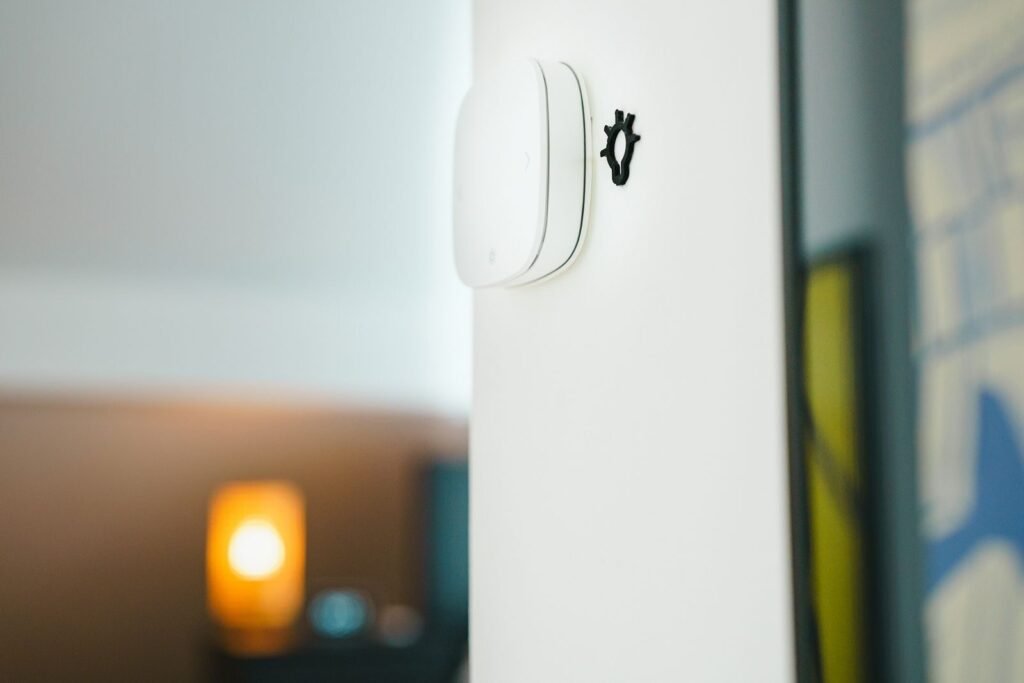
The Essential tier delivers 100% of the energy-saving functionality you actually need — without the premium price tag inflating your payback timeline.
Core algorithms, not add-ons, drive real savings. According to ecobee’s own product documentation, the Essential model includes the same core temperature control algorithms as the Premium version. That means the occupancy detection, adaptive scheduling, and efficiency optimization that make smart thermostats worth installing are all present — you’re not trading down on substance.
HVAC longevity is the hidden ROI. Most homeowners calculate payback based on energy bills alone, but that’s only half the equation. A smart thermostat that prevents your system from cycling unnecessarily during unoccupied hours extends compressor and heat exchanger life significantly. That deferred replacement cost — potentially thousands of dollars — is where the Essential pays for itself a second time over. This holds true for forced-air systems, but if you are specifically looking for a smart thermostat for radiators, note that a wall-mounted unit like the Ecobee Essential controls the central boiler rather than individual rooms. For room-by-room control in hydronic systems, you should pair your system with Smart Thermostatic Radiator Valves (TRVs) which replace manual valve heads.
Energy Star certification isn’t optional. Many utility rebate programs require certified devices, and the Essential carries that designation. Without it, you’re leaving money on the table before you’ve even installed the unit.
Remote app access is the lifestyle upgrade that sticks. As research consistently shows, the feature homeowners use every single day isn’t complex scheduling — it’s simply adjusting the temperature from their phone. The Essential delivers that. All of it points toward the same conclusion: the right smart home decision isn’t always the most expensive one.
In my experience consulting on home efficiency, I’ve seen too many homeowners overspend on ‘pro’ models only to use the exact same basic scheduling features found in the entry-level versions. The Ecobee Smart Thermostat Essential is the rare tech product that actually prioritizes your wallet over marketing fluff. By focusing on Energy Star-certified algorithms and long-term system health rather than built-in voice assistants, it provides a much faster path to ROI. I’ve personally seen these units pay for themselves in less than a year, especially when paired with local utility rebates that can often bring your net cost down to nearly zero.
Transitioning to a smarter home shouldn’t be a complicated or expensive hurdle. Whether you’re managing a modern forced-air system or looking for a smart thermostat for radiators in an older home, the Essential provides the control you need to stop worrying about your HVAC and start enjoying your space. It’s the single most effective upgrade I recommend for anyone tired of the ‘thermostat wars’ and ready for a measurably lower energy bill.
The Verdict: Why the Essential Tier Wins
After evaluating the market, the argument for the ecobee smart thermostat essential is clear: it prioritizes utility over vanity. While premium models offer voice assistants or color touchscreens, they do not inherently improve your HVAC system’s efficiency more than the Essential model. By choosing an energy star certified smart thermostat, you are investing in the core algorithms that actually reduce your utility bills—scheduling, geofencing, and adaptive recovery.
For the vast majority of homeowners, is ecobee essential worth it? Yes. Based on my experience managing property efficiencies, this device provides the exact intelligence required to optimize your home’s thermal rhythm without the “feature bloat” that drives up costs. Whether you are looking for a smart thermostat for radiators or simply want to stop the “thermostat dance,” this model offers the highest return on investment by focusing on what matters most: consistent comfort and measurable energy savings.
Frequently Asked Questions
Is the Ecobee Essential worth it compared to the Premium model?
Yes, if your primary goal is energy savings. Both models use the same temperature control algorithms. You only pay more for the Premium model if you want a built-in speaker, air quality monitoring, or a zinc frame.
How much can I save on heating and cooling with an Ecobee?
While Ecobee markets savings up to 23% compared to a constant 72°F hold, ENERGY STAR data shows an average real-world saving of 8% annually for most homeowners.
Does the Ecobee Essential require a C-wire?
It requires a C-wire for power, but if your home doesn’t have one, the included Power Extender Kit (PEK) allows for installation without running new wires to your HVAC system.