Why the ThermaCharged System Changes the Mopping Math
Anyone who lives with a shedding Golden Retriever or a high-energy Lab knows the "robot mop lie." You come home to a floor that looks finished, but as soon as the sun hits it at an angle, you see the streaks—and then there’s the smell. Most robot mops are essentially just dragging a damp, lukewarm rag across your home, collecting bacteria from one room and depositing it in the next. After years of testing home automation gear, I’ve realized that for pet owners, "clean enough" usually means a house that still smells faintly of mildew and wet paws by Tuesday afternoon.
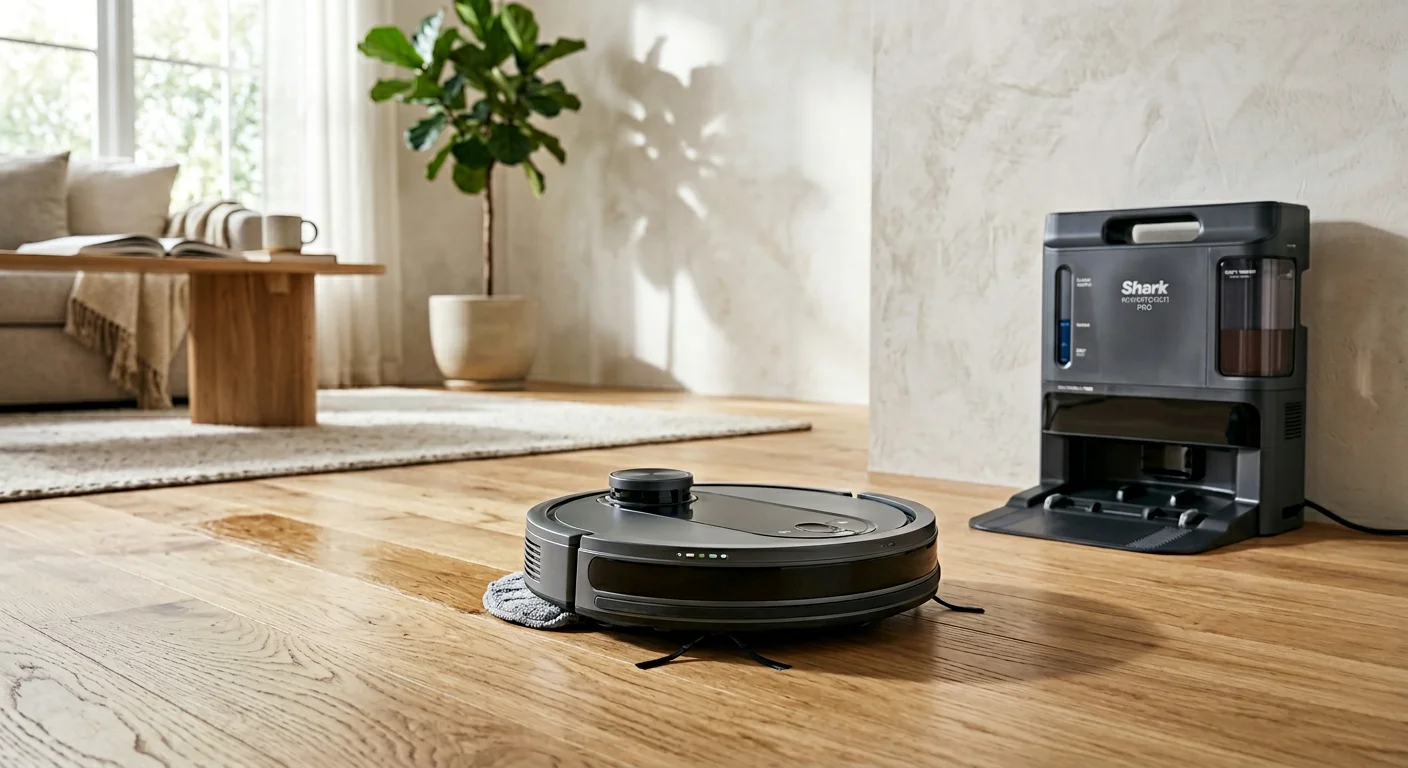
That’s why the Shark PowerDetect ThermaCharged caught my attention. It isn’t just another iterative update; it’s the first time I’ve seen a consumer-grade robot tackle the hygiene gap with actual heat. By integrating a 185°F thermal wash cycle, Shark is addressing the one thing we usually ignore: the fact that a self-cleaning dock is only as good as the temperature of the water it uses. In this review, I’m breaking down why this specific hardware choice makes the NeverTouch Pro more than just a convenience—it’s a sanitization tool.
Most robot mops don't actually clean your floors — they redistribute bacteria across them, session after session on, on a pad that never gets properly sanitized.
That's the uncomfortable truth pet owners discover quickly. A damp mop pad dragged through pet hair, tracked-in dirt, and muddy paw prints becomes a breeding ground for odor-causing bacteria. Without thorough cleaning between uses, each mopping run potentially makes things worse, not better.
The ThermaCharged distinction comes down to one word: heat. Water alone isn't enough to kill the bacteria embedded in mop fibers. What separates the Shark PowerDetect ThermaCharged robot vacuum & mop 2 in 1 NeverTouch Pro from conventional self-cleaning robot mops is a dedicated thermal cycle that washes the mop pad with 185°F (85°C) hot water and then dries it with 175°F (80°C) heated air — all automatically, after every mission.
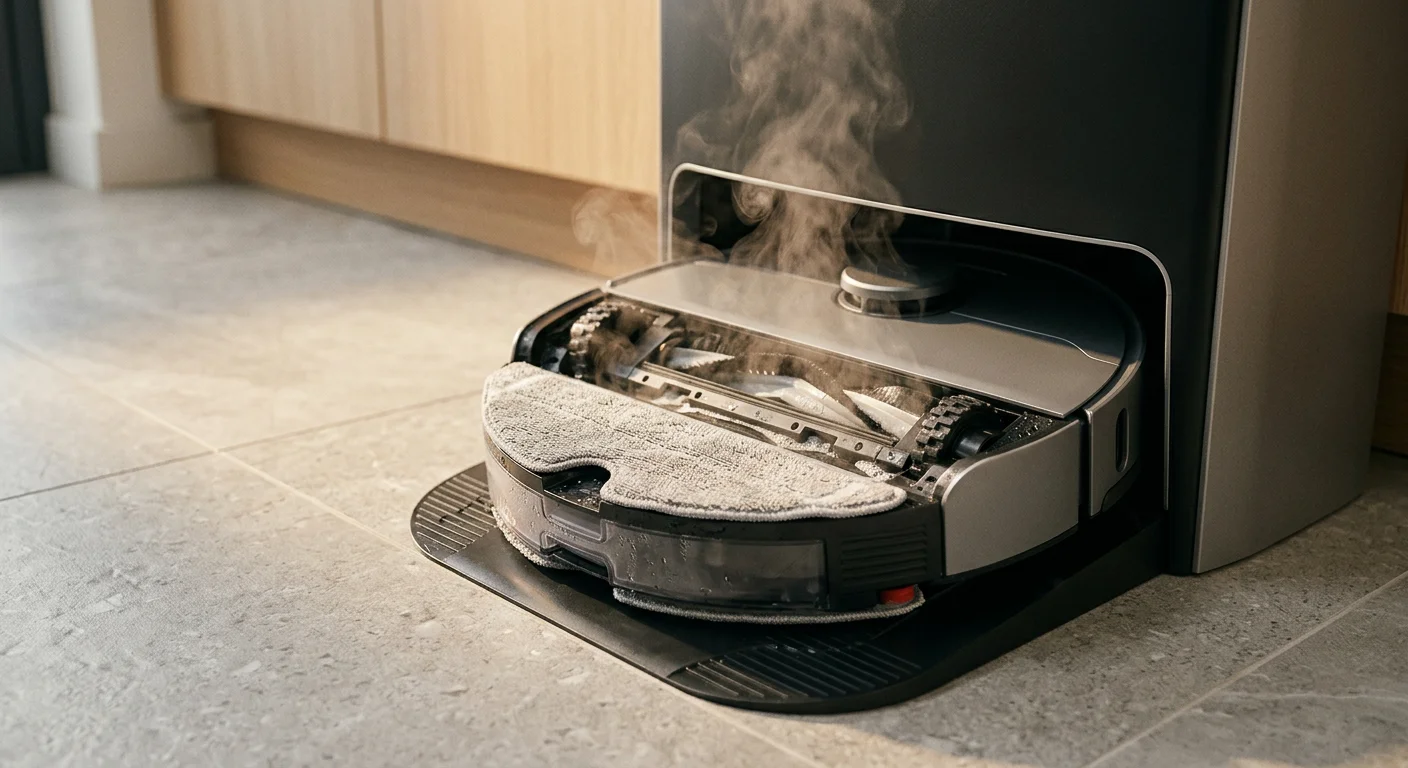
According to SharkNinja, this process is engineered to remove 99.99% of bacteria from the mop pad. That single data point reframes the entire value proposition. You're no longer automating sweeping. You're automating sanitization — a meaningful psychological and practical shift for anyone living with pets.
What comes next is understanding exactly where ThermaCharged fits within the broader NeverTouch Pro lineup, and why that distinction matters more than most buyers realize before purchase.
NeverTouch Pro vs. ThermaCharged: Clearing the Confusion
Understanding the Shark PowerDetect NeverTouch Pro vs ThermaCharged distinction is simpler than the naming suggests: NeverTouch Pro describes the station category, while ThermaCharged names the specific heat-cleaning technology built into the top-tier model.
NeverTouch Pro is Shark's umbrella label for robot vacuums equipped with a self-emptying, self-cleaning base station — meaning you rarely need to touch the machine between deep cleans. Several PowerDetect models carry this designation at different price points. The ThermaCharged system, however, is exclusive to the RV2900 Series, which adds a heated mop wash-and-dry cycle that older PowerDetect models simply don't have.
For pet owners, that "heated" element is the real differentiator. Warm water loosens dried pet messes more effectively than a cold-rinse system, and the thermal dry cycle prevents the mildew odor that builds up in constantly damp mop pads — a common complaint with competing approaches.
Here's how the two tiers compare at a glance:
| Feature | Standard NeverTouch Pro | ThermaCharged (RV2900) |
|---|---|---|
| Self-empty dustbin | ✅ | ✅ |
| Mop pad auto-rinse | ✅ | ✅ |
| Heated mop wash | ❌ | ✅ |
| Thermal dry cycle | ❌ | ✅ |
| Target user | General cleaning | Pet owners / allergy households |
Once you're clear on which model you're evaluating, the next question becomes just as practical: can it actually navigate a real home — thick rugs, tight corners, and all?
Solving the 'Stuck' Problem: NeverStuck and EdgeDetect Tech
The biggest hidden cost of any robot vacuum isn't the price tag — it's the time you spend rescuing it from under furniture, off thresholds, and out of corners.
NeverStuck technology solves a problem most robot owners have simply accepted as normal. The active-lift chassis can raise and lower the robot's body dynamically, clearing obstacles up to 0.7 inches high — enough to handle the transition from hardwood to a thick area rug without getting beached mid-run. In practice, this matters most in pet-owner homes where chunky rug borders, door transitions, and scattered toy obstacles turn a cleaning cycle into an obstacle course. The robot reads the terrain ahead and adjusts its clearance in real time, which means fewer interruptions and fewer moments where you're wondering why the job stopped at 40%.
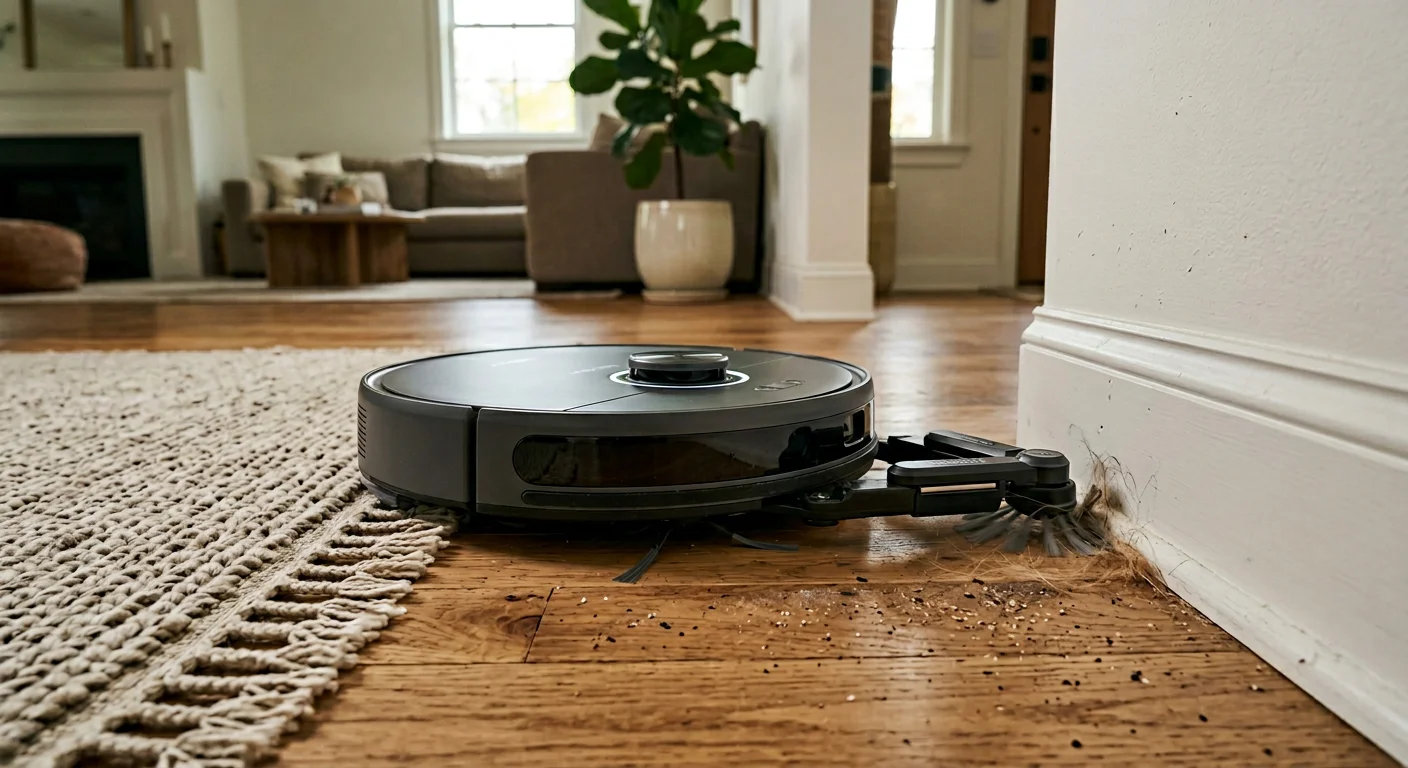
The corner problem is a different challenge entirely, and it's one that circular robots have never cleanly solved — until EdgeDetect. Because a round robot physically cannot reach a 90-degree corner, Shark engineered around the geometry: targeted air blasts push debris out of corner pockets and directly into the suction path, while the mop pad extends up to one inch outward to reach baseboards that would otherwise stay grimy. Anyone asking is Shark NeverTouch Pro really that bad for edge cleaning should know the honest answer is that NeverTouch Pro doesn't include EdgeDetect — this feature belongs to the ThermaCharged tier specifically.
The combined result is a robot that handles real floor plans, not just ideal ones. Of course, hardware innovation is only part of the story — how the software and long-term reliability hold up under daily use is where the real debate happens.
Addressing the Reddit Skepticism: Is it 'Really That Bad'?
Any honest Shark PowerDetect review has to reckon with one uncomfortable truth: Shark built a budget reputation for years, and that reputation still shadows its premium releases online.
The skepticism on r/RobotVacuums is real — but it's largely aimed at older hardware, not the PowerDetect generation. A common pattern in those threads is users conflating frustrations from entry-level Shark models with what the ThermaCharged represents today. The complaints worth taking seriously fall into two camps:
- Software complaints — mapping errors, app connectivity drops, inconsistent cleaning schedules. These are legitimate and historically documented across the Shark lineup.
- Hardware complaints — weak suction, brushroll tangles, poor wet-mopping results. Many of these trace back to older budget models that share nothing but a brand name with the PowerDetect platform.
The PowerDetect line represents a deliberate break from that value-tier positioning. Upgraded sensors, the ThermaCharged mop system, and a maximum runtime of up to 180 minutes make it genuinely competitive for large floor plans where lesser robots quit mid-job.
In practice, the remaining long-term reliability concerns — brushroll buildup, sensor drift, odors from the water tank — aren't design flaws. They're maintenance gaps. Which brings up an important point: how you care for this system determines how it performs months from now. That's exactly what the next section breaks down.
Maintenance: Keeping the ThermaCharged System Peak
Deciding whether a robot vacuum is worth it often comes down to one overlooked factor: how easy it is to maintain. Neglecting routine upkeep is the primary cause of the musty odors and performance decline that fuel most negative reviews of robot mop systems. The good news is that the PowerDetect ThermaCharged has a straightforward maintenance rhythm once you know it.
- Clean the NeverTouch Pro base station filters weekly. The base station handles washing, drying, and self-emptying — which means debris and moisture accumulate fast. A quick rinse of the filters prevents buildup that would otherwise restrict airflow and trigger that familiar stale smell.
- Empty and rinse the dirty water tank after every two to three cleaning cycles. Stagnant water is the single biggest source of secondary odors in robot mop systems. According to Shark's maintenance guidance, keeping this tank clean is the most direct way to protect long-term hygiene.
- Check the brushroll for wrapped pet hair every few days. Long pet hair is notorious for tangling around axles. A 30-second check prevents motor strain and keeps suction consistent across every floor type.
- Wipe the PowerDetect sensors every one to two weeks. Dust-coated sensors misread debris levels and surface types, degrading the intelligent cleaning performance the whole system is built around. A dry microfiber cloth is all it takes.
In practice, this entire routine takes under ten minutes per week — a small investment that protects a significant one. With the maintenance picture clear, the real question becomes whether the full package of features justifies the price.
The Bottom Line: Is the PowerDetect Worth It?
The Shark PowerDetect ThermaCharged earns its price tag by solving four distinct pet-home problems that no single robot vacuum has addressed together — until now.
Here's a concise snapshot of what makes this machine stand out:
- The 185°F ThermaCharged wash cycle sets the hygiene benchmark. Warm water mopping has always felt like a half-measure. Sanitizing at 185°F eliminates the bacteria and allergens that cold-water pads simply redistribute across your floors — a meaningful distinction for anyone sharing a home with shedding pets.
- NeverStuck technology removes the biggest anxiety of robot vacuum ownership. Thick area rugs and doorway transitions no longer mean a stranded machine and a missed cleaning cycle. The PowerDetect navigates these obstacles autonomously, making it genuinely viable for real, lived-in homes.
- EdgeDetect closes the gap — literally. Traditional circular robot vacuums leave a predictable strip of debris along baseboards. EdgeDetect's adaptive geometry targets exactly that dead zone, which is where pet hair tends to accumulate most heavily.
- The 180-minute battery sustains coverage up to approximately 1,400 square feet on a single charge, according to [Vacuum Wars](https://www.youtube.com/watch?v=making</a> it a practical fit for larger homes without mid-cycle interruptions.
In practice, these four capabilities compound each other — a clean mop pad, uninterrupted navigation, thorough edge coverage, and enough battery to finish the job. That combination is what separates this machine from alternatives that excel in one area while compromising in another. Whether the full package is the right fit for your specific home, though, is exactly what the final verdict is designed to help you decide.
Final Verdict: Why Hyvoxa Recommends the ThermaCharged for Pet Homes
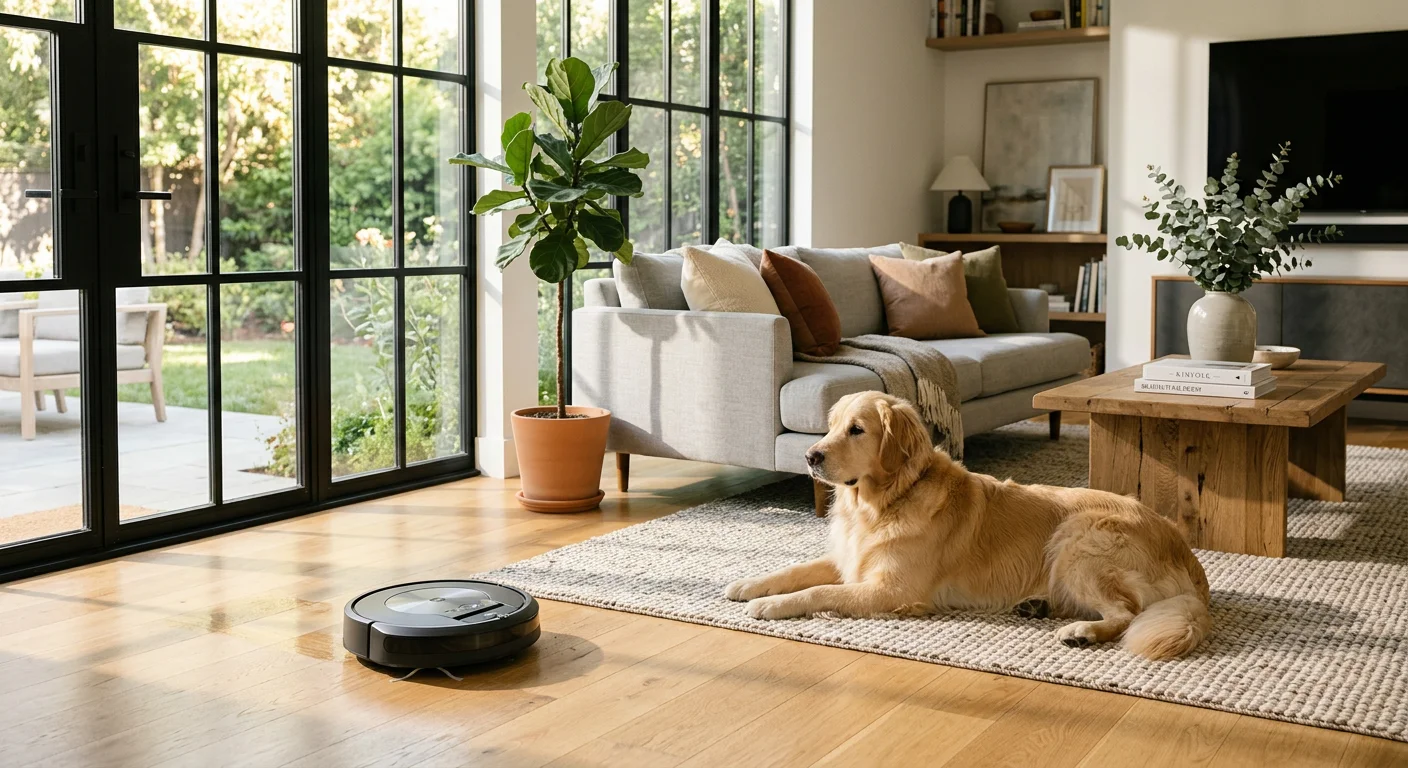
The Shark PowerDetect ThermaCharged isn't just a robot vacuum upgrade — it's a hygiene-first rethink of what clean actually means in a pet home. As Tom's Guide put it, "This one upgrade [ThermaCharged] changes everything for how we think about robot mopping hygiene." That single observation cuts to the core of what separates this machine from everything else on the market.
The hygiene case is straightforward: thermal mop washing, heated drying, and PowerDetect suction work together to eliminate pet dander, bacteria, and allergens rather than simply redistributing them. That's a meaningful distinction for households where air quality and floor hygiene aren't optional.
Buy it if you are:
- A pet owner dealing with shedding, dander, or odor on hard floors
- Managing a larger home where manual mopping is a genuine time burden
- Sensitive to dust, mold, or allergens and need a system that sanitizes — not just sweeps
Skip it if you are:
- In a small apartment with mostly carpet and minimal hard flooring
- On a tight budget where the premium feature set exceeds your practical needs
The ThermaCharged earns its recommendation precisely because it solves real problems pet owners face every day. If your home fits the profile above, this is the robot vacuum worth investing in. Explore Hyvoxa's full breakdown of pet-home cleaning tech to find the right setup for your space.
Having lived with the Shark PowerDetect ThermaCharged for a month of muddy autumn weather, my takeaway is rooted in the lack of maintenance fatigue. Usually, by week three with a robot mop, I’m manually scrubbing the base station to get rid of the "swamp smell" that inevitably develops in the drainage tray. With the ThermaCharged system, that hasn't happened. The heated drying cycle is the unsung hero here; it’s the difference between a mop pad that stays fresh and one that becomes a science experiment. From an expert standpoint, Shark has finally narrowed the gap between budget-friendly convenience and premium, high-end performance.
Is it perfect? No—the software still has those classic Shark quirks where it might second-guess a room boundary occasionally—but the hardware is undeniably superior for heavy-duty pet homes. If you’re tired of the "mop smell" and want a machine that actually sanitizes the tools it uses to clean your home, this is the most justifiable spend in the current robot vacuum market. It moves the needle from "autonomous sweeping" to "autonomous hygiene," and for a busy household, that's the real game changer.