
The Evolution of Automated Smart Homes: Beyond the Plug-and-Play Era
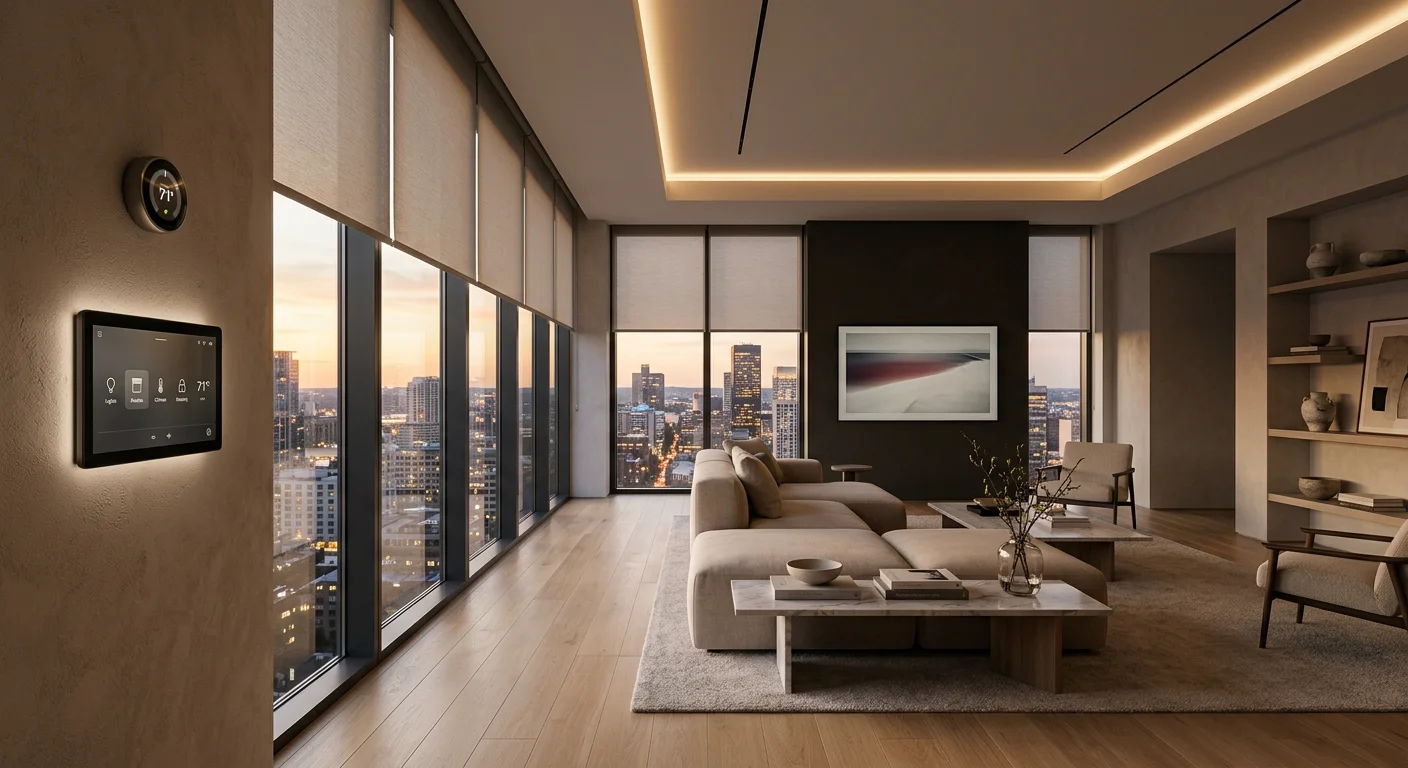
The smart home of 2026 vastly differs from the initial plug-in gadget collections many homeowners began with—and this discrepancy is more costly than one might think.
A decade ago, installing a smart bulb or a Wi-Fi thermostat seemed progressive. It was. But what started as a convenient experiment has evolved into a demanding endeavor. Homeowners today aren't merely managing a single device—they're orchestrating interconnected ecosystems for lighting, climate control, smart home security, locks, cameras, entertainment, and energy management, all from a mishmash of competing apps.
The 'app for everything' model has broken down under its own weight.
This fragmentation is where the modern DIY smart home falters. In reality, the average connected household uses between eight and fifteen apps from different manufacturers, each with its own update cycle, login, and failure point. What was marketed as convenience has become a part-time job. Homeowners frequently troubleshoot routines that stopped working, re-pair devices after firmware updates, and manually override conflicting automations. The promise of a seamless lifestyle has become a web of conditionals and workarounds.
A true smart home installation differs fundamentally from a simple device setup. Device setup means adding hardware. A professional installation involves designing an integrated architecture—where every subsystem communicates on a unified platform, automations trigger reliably without human intervention, and infrastructure is built to scale. This includes hardwired backbone networks, centralized control processors, and scenes responding to a family's lifestyle, not just voice commands in a quiet room.
This distinction matters as it redefines what smart home investment truly means. As John Smith of Enroot Home puts it, "Smart systems not only protect homes but also enhance the quality of life through lifestyle return on investment (ROI)." This concept of lifestyle ROI shifts the conversation from gadget costs to long-term value: energy savings, security confidence, resale appeal, and reduced daily friction.
Understanding why professional involvement strengthens ROI starts by examining market trends and why the complexity of modern ecosystems makes professional-grade integration a practical necessity.
Why Professional Smart Home Services Dominate the Market
Professional integrators lead home automation installations because modern systems have outgrown what Wi-Fi dongles and app-based setups can reliably deliver.
The evolution from simple gadgets to full ecosystems is the core driver. A contemporary smart home does more than run a few connected bulbs—it coordinates climate control, security cameras, door locks, entertainment systems, and energy management across dozens of devices. This coordination demands hardwired infrastructure: dedicated low-voltage wiring, structured cabling, and centralized control architecture. Without it, an intelligent setup becomes a fragile network of conditional automations that fail when a router drops or a firmware update occurs overnight.
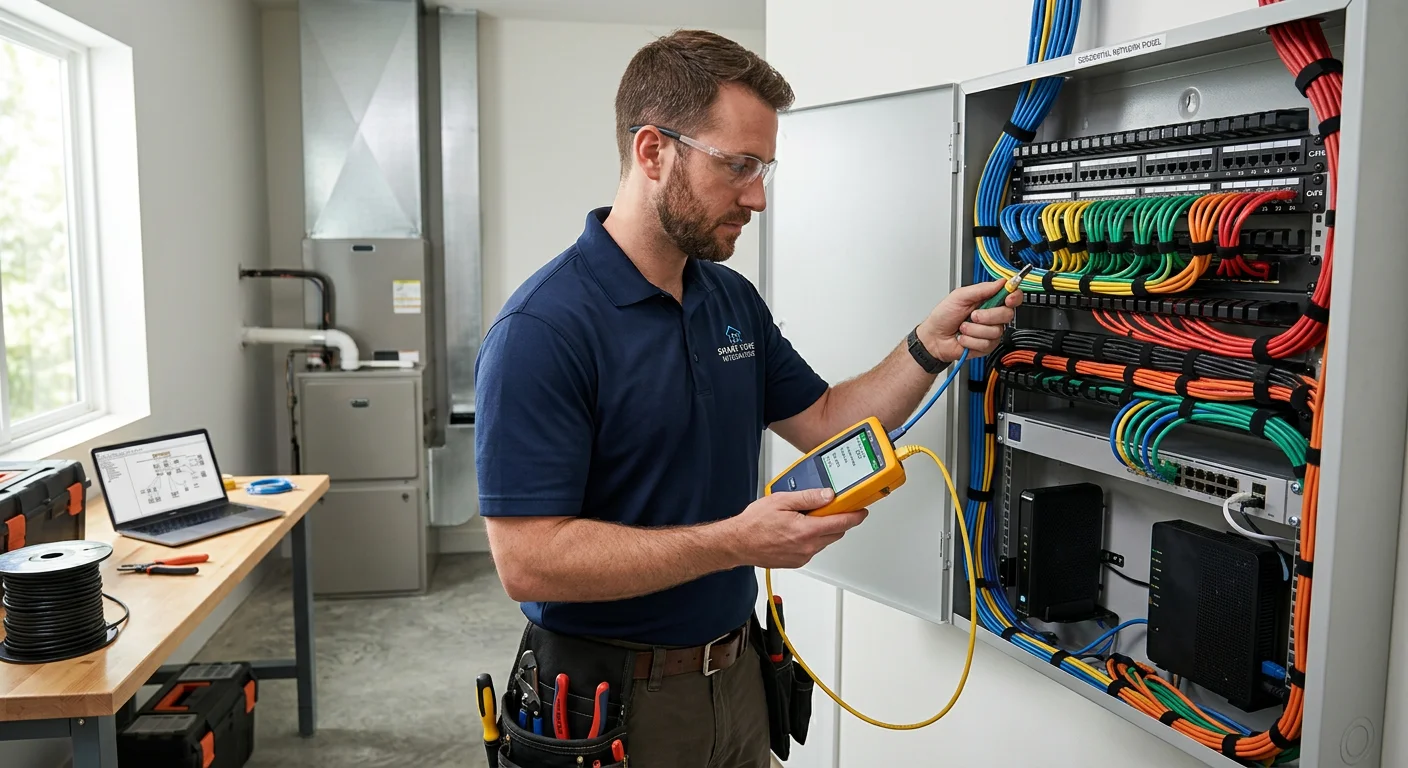
The reliability gap between consumer Wi-Fi products and professional control systems is significant. DIY setups rely on cloud servers, mesh networks, and app ecosystems that can—and do—go offline. Professional-grade installations use hardwired protocols and local processing, ensuring the system functions regardless of internet connectivity. Lighting scenes activate on time, security panels remain armed, and climate schedules run uninterrupted. This dependability isn't a luxury; for households deeply integrated with automation, it differentiates a working system from a frustrating one.
Market data reflects this dynamic. According to an industry report by Mordor Intelligence, professional smart home installation services accounted for 70.54% of total market revenue in 2025—indicating that homeowners aren't choosing professional services due to a lack of DIY options. They're choosing them because the complexity of whole-home integration exceeds what self-installation can sustain long-term.
Three technical advantages highlight why professional wiring consistently outperforms wireless setups:
- Dedicated low-voltage runs eliminate signal interference between high-traffic devices.
- Centralized control panels provide local processing that keeps automations running without cloud dependency.
- Structured cable pathways allow system expansion without retrofitting walls later.
This last point is crucial. A professionally installed backbone scales efficiently as new devices join the ecosystem—and as the next section explores, these upfront infrastructure investments have substantial financial implications.
The Financial Reality: Smart Home Installation Cost and ROI
Automated smart homes offer measurable financial returns—but only when you understand the complete cost upfront, not after accumulating receipts.
The entry point: Basic smart home setups—such as connected lights, a smart lock, and a thermostat—typically cost between $200 and $500 for hardware alone. Whole-home automation, however, is a different conversation. According to HomeAdvisor's 2026 home automation cost guide, professionally integrated systems for a full residence range from $10,000 to over $150,000, depending on scope, device complexity, and labor. This range seems broad until you consider the returns each tier provides.
Insurance savings are real and underused. A major overlooked financial benefit lies in homeowners insurance policies. Smart home security systems—monitored cameras, smart door locks, leak sensors—can reduce annual premiums by 5% to 15%, according to the Insurance Information Institute. For a $2,000/year policy, that's up to $300 saved annually. Over a decade, this savings can offset a significant portion of the original installation cost.
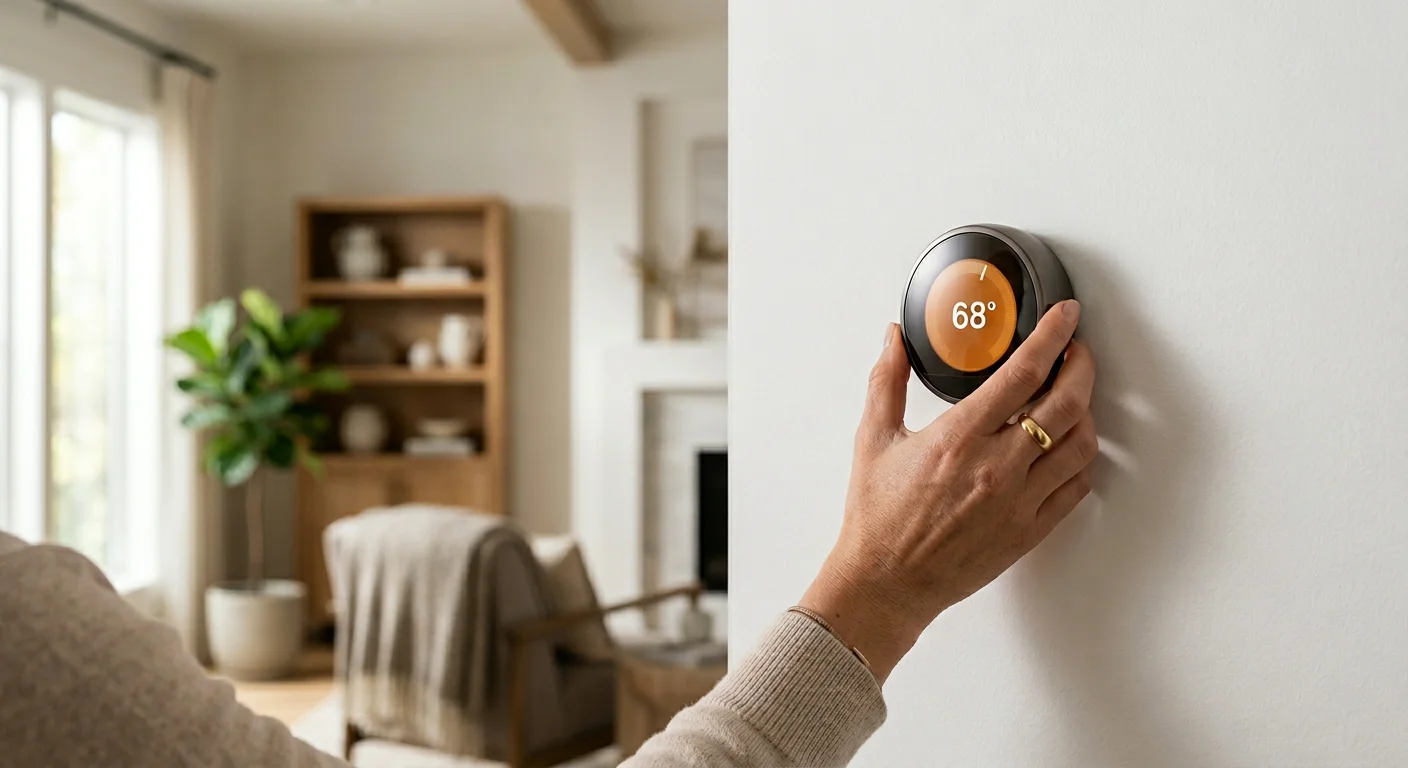
Energy efficiency compounds savings. A smart thermostat alone provides an average of 8% to 10% savings on annual heating and cooling bills, as noted in Rently's energy analysis. For a household spending $2,400/year on climate control, that's $192 to $240 saved annually—without changing behavior. Add smart lighting schedules, occupancy sensors, and appliance automation, and savings increase substantially.
The hidden DIY cost is measured in hours and hardware. DIY budgets often overlook ongoing maintenance burdens—troubleshooting integrations after firmware updates, replacing incompatible devices, and relearning systems when something breaks. This friction has a real dollar value.
Property value is a significant long-term multiplier. Homes with professionally integrated automation consistently attract more buyer interest, influencing which system tier aligns with your goals—a topic the next section addresses directly.
DIY vs. Managed Systems: Choosing Your Control Tier
Choosing the right tier for automating your smart home is crucial—it affects everything from reliability to long-term cost.
The tier you choose should match your troubleshooting tolerance, not just your budget. Many homeowners default to DIY because of its attractive initial price, only to realize months later that maintaining a self-built system becomes a second hobby. Understanding each tier's scope helps avoid this mismatch.
Tier 1 — DIY Hubs (The Hobbyist's Playground)
DIY platforms appeal to technically inclined homeowners seeking maximum flexibility without recurring fees. These open ecosystems support thousands of device integrations and allow deep customization through community-built automations. However, the gain in control comes at the cost of stability—updates may disrupt routines overnight, and troubleshooting is entirely on you.
Tier 2 — Mid-Range Professional Installs (Security and Lighting Focus)
This middle tier includes professionally installed systems focused on whole-home lighting scenes, smart locks, and monitored security. A certified integrator pre-configures the system, tests each device, and often offers an ongoing service agreement. According to HomeAdvisor, a professionally installed mid-range system typically costs between $1,500 and $15,000, depending on scope—a substantial increase from DIY hardware costs, but one that ensures genuine reliability and responsive support.
Tier 3 — High-End Managed Systems (Concierge-Level Automation)
At the market's top are platforms like Control4, Savant, and Crestron, requiring proprietary hardware and certified dealer installation—you can't simply buy a license and self-install. These systems unify every subsystem—AV, climate, shading, security, and lighting—under a single interface with millisecond response times. The trade-off is cost and vendor lock-in; total project costs can exceed $50,000 for large estates, and programming changes require a return visit from your integrator.
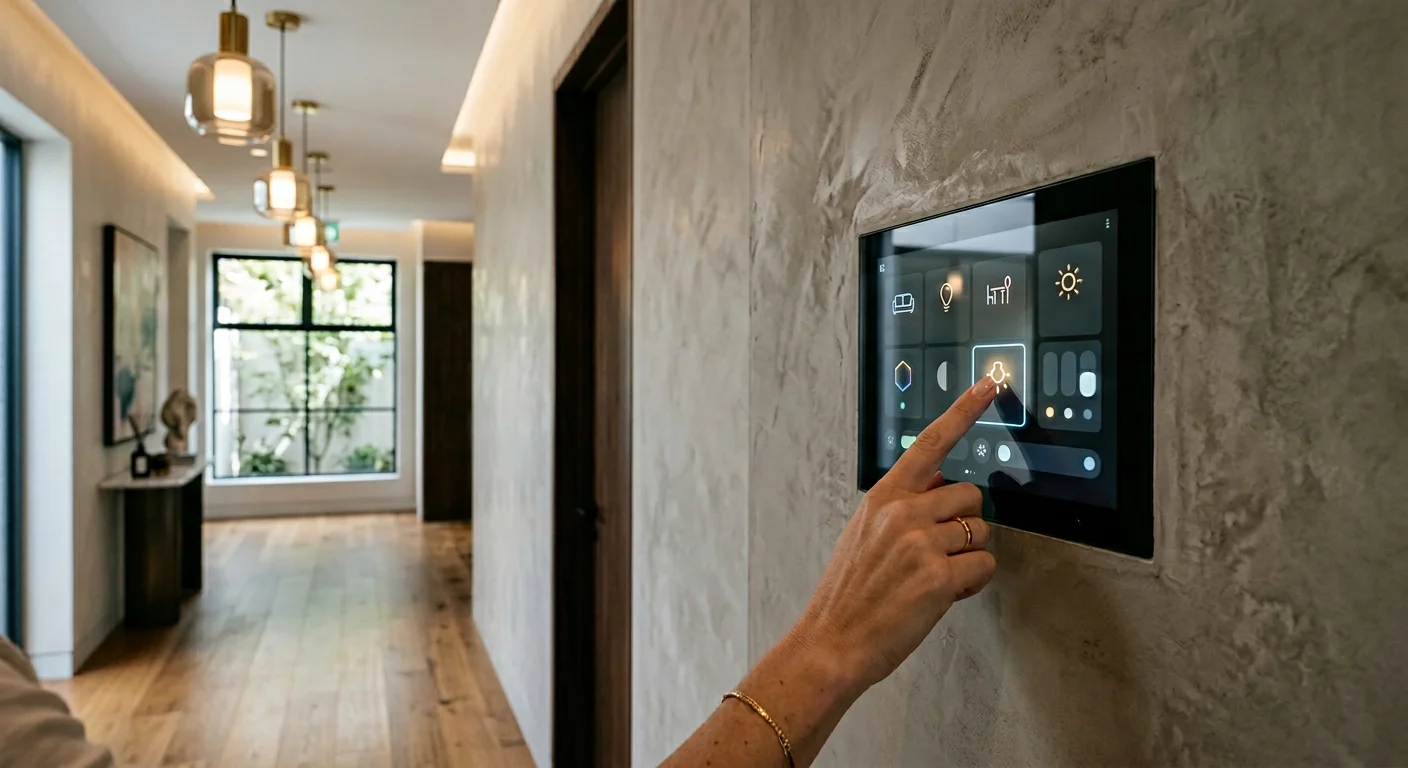
The core tension across all tiers is customization versus reliability. DIY systems offer extensive flexibility but demand ongoing maintenance. Managed platforms forgo flexibility for an "it just works" experience, which most non-technical homeowners find more valuable over time. This reliability equation is worth considering carefully—it's reshaping who builds and services these systems professionally, which is where the industry is headed next.
The Future of the Industry: Becoming a Smart Home Installer in 2026
Demand for certified smart home integrators is growing faster than the installer workforce—offering substantial career opportunities for skilled tradespeople.
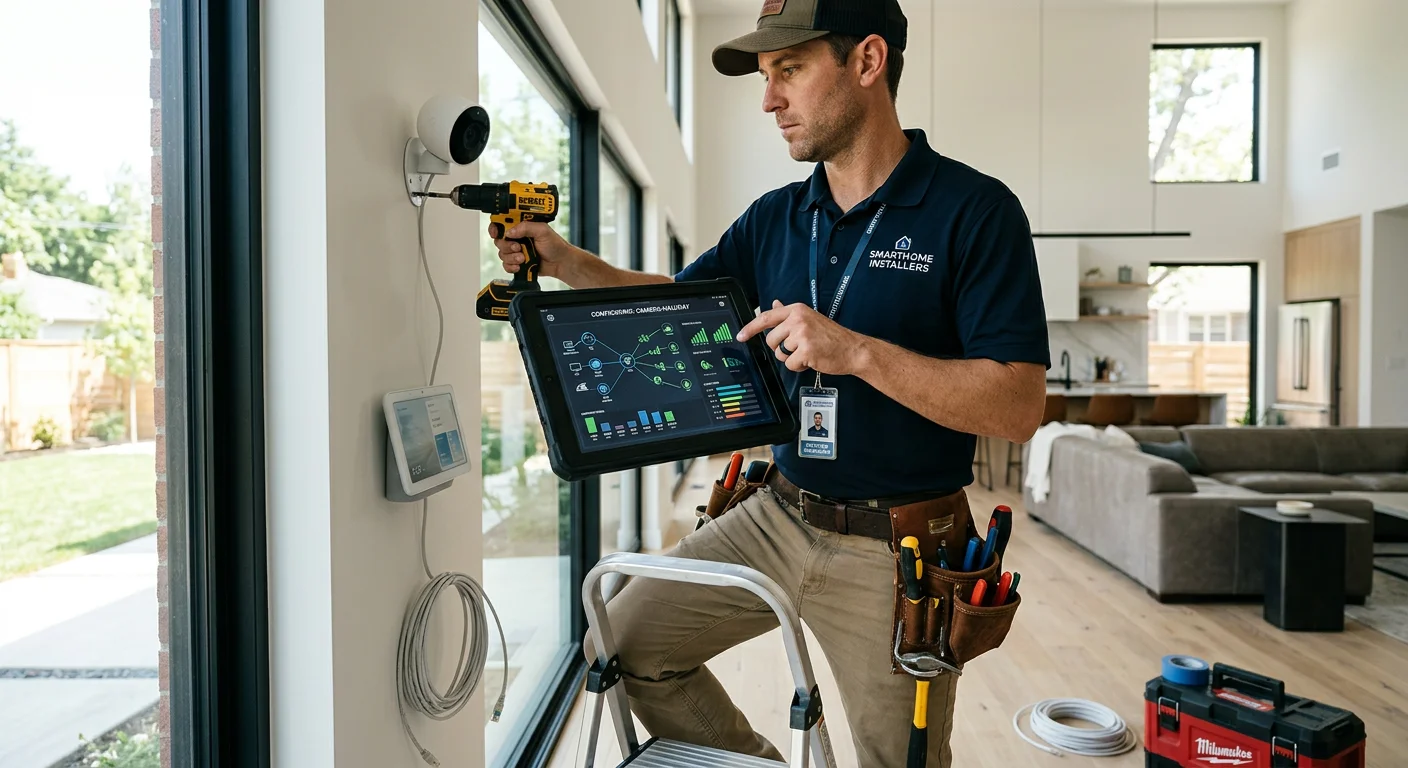
New construction is driving professional demand. Homebuilders increasingly treat structured wiring, whole-home networking, and home control as standard features. According to Smart Service, smart home work is being integrated into standard electrical and HVAC business models at a notable rate—indicating that the market isn't waiting for a separate "smart home" industry to emerge; it's being absorbed by existing trades.
Existing tradespeople are uniquely positioned to lead this shift. Electricians understand load calculations, panel work, and low-voltage wiring—the infrastructure backbone of any automated system. HVAC technicians have hands-on experience with connected thermostats and zoned climate systems, delivering some of the highest ROI in residential automation. Adding home services isn't a career pivot for these professionals; it's a natural expansion of their existing work.
For those looking to formalize their credentials, the certification pathway is well-defined:
- CEDIA Membership and Training — The Custom Electronic Design and Installation Association offers courses from basic installation fundamentals to advanced system design.
- CompTIA Smart Home Certification — A vendor-neutral credential validating networking and integration knowledge across platforms.
- Manufacturer-Specific Certifications — Major platform providers offer authorized installer programs with referral leads and technical support access.
- BICSI Installer Credentials — Focused on structured cabling and network infrastructure, fundamental to every reliable smart system.
The technical landscape is shifting in ways that reward certified professionals. The Matter and Thread standards—interoperability protocols now backed by nearly every major platform—are becoming the baseline for professional installs. Understanding Thread mesh network behavior, Matter bridge connections for legacy devices, and cross-platform integration troubleshooting requires technical depth. This expertise distinguishes certified integrators from those following YouTube tutorials.
The convergence of rising homeowner demand, evolving standards, and trade integration means the professional smart home industry in 2026 is more accessible—and lucrative—than ever. Understanding the industry's direction aids in making smarter decisions, whether hiring an installer or becoming one.
The Bottom Line: What You Need to Know Before You Automate
Smart home services deliver the strongest returns when decisions are based on infrastructure, not impulse—knowing the right priorities beforehand can save thousands.
Before committing to any automation project, realize this: professional installation is an investment in property value, not a luxury purchase. According to Vivint's analysis of smart home technology, homeowners implementing integrated, professionally managed systems see measurable gains in both resale appeal and day-to-day efficiency. Buyers in 2026 increasingly expect a connected home—a patchwork of incompatible devices tells a different story than a cohesive, professionally installed ecosystem.
Prioritization matters. Not all device categories deliver equal ROI. Security systems and smart climate control consistently outperform other automation categories for immediate financial impact. A smart thermostat alone can significantly reduce heating and cooling costs, while professionally installed security cameras and access control can lower home insurance premiums—a benefit too many homeowners overlook. Verify directly with your insurance provider whether your specific setup qualifies for a discount; many carriers offer reductions for monitored security systems, smart smoke detectors, and water leak sensors, but qualification criteria vary by policy.
Infrastructure is the real investment—not the brand on the device. A common mistake is obsessing over which smart ecosystem to choose, when the more consequential question is whether your home's wiring and network support reliable automation. As Coolblue's guidance on smart home foundations reinforces, a robust Wi-Fi or hardwired solution is the non-negotiable foundation of any reliable smart home. Spending $500 on a high-end smart lighting system that frequently disconnects is more frustrating—and costly—than investing that budget in a proper network upgrade first.
To recap essentials before moving forward:
- Property value: Treat professional installation as a long-term asset, not an expense.
- ROI hierarchy: Security and climate control deliver the fastest payback.
- Infrastructure first: Wiring and network quality outweigh device brand every time.
- Insurance audit: Confirm which upgrades qualify for premium discounts.
Getting these fundamentals right creates conditions for a truly seamless, future-proof home—delivered by the right professional partner.
Building Your Future with Hyvoxa: The Next Step in Automation
Smart home installation cost is only part of the equation—what you get for that investment determines whether automation genuinely improves your life or adds complexity.
The real differentiator between a smoothly running home and a frustrating one is intentional, expert-led planning from the start. Generic online guides may point you toward popular devices, but they can't assess your home's wiring age, Wi-Fi dead zones, or how your household navigates daily routines. A professional site survey does exactly that, mapping infrastructure, identifying compatibility constraints before purchases, and creating a roadmap built around specific, measurable goals rather than wishlist thinking.
Budget alignment often causes homeowner hesitation. The gap between an entry-level smart speaker setup and a fully integrated lighting, security, and climate system is wide—but it doesn't need to be crossed at once. The most successful automation projects phase investment over time, starting with high-impact systems like smart security and thermostat control, then adding functionality as budget and comfort allow. This phased approach works when foundational architecture is designed to scale, underscoring the importance of initial planning.
Hyvoxa approaches each project with this perspective—expert-led strategies tailored to individual properties, not templated packages. Long-term support is integral because smart home ecosystems evolve: firmware updates, new device generations, and changing household needs require ongoing relationships, not a one-time installation and a goodbye handshake.
The case for professional installation has only strengthened heading into 2026. DIY automation appeals to the technically confident, but homeowners seeking reliability, scalability, and a system that earns its keep over years, not months, find professional guidance delivers superior outcomes. Understanding installation costs upfront—with a real assessment—eliminates the guesswork that derails many self-managed projects.
Ready to move from research to results? Connect with Hyvoxa for a professional consultation and develop a strategy centered on your home, priorities, and budget.
Conclusion: The Long-Term Verdict on Smart Integration
After a decade in the home automation space, my verdict is simple: the happiest homeowners treat their smart systems as a utility, not a collection of toys. We don't DIY our electrical panels or plumbing for a reason—reliability requires a professional backbone. When investing in professional smart home services, you're not just paying for someone to install a camera; you're investing in an architecture that withstands the next five years of firmware updates and hardware cycles without consuming your weekends.
The transition to a managed, automated smart home represents a shift from gadget-collecting to true lifestyle integration. Whether aiming to reduce energy bills, secure your perimeter, or reclaim hours spent dealing with incompatible apps, the professional path remains the only way to achieve a 100% "it just works" experience. As we look toward the next generation of connected living, remember that true luxury isn't the technology itself—it's the silence of a system performing perfectly without needing your attention.
Last updated: June 7, 2026