
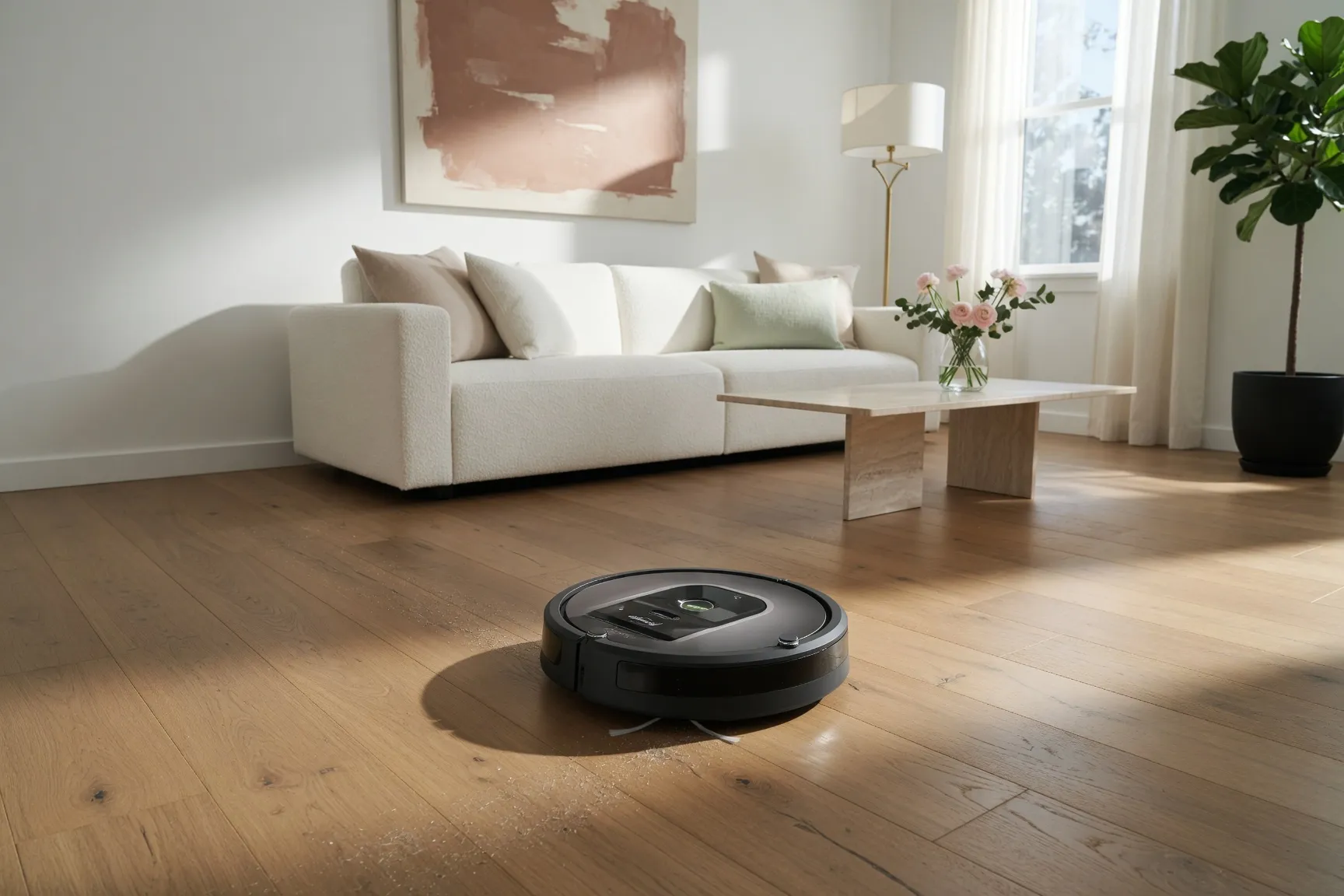
The vSLAM Advantage: Why the Roomba 960 Still Outcleans Modern Budget Rivals
I’ve spent over a decade testing robot vacuums, and I’ve felt the specific frustration of watching a $300 "budget" robot bounce aimlessly off a chair leg for twenty minutes while the rest of the kitchen stays covered in crumbs. If you’ve ever asked, "what is a roomba robot really worth if it can’t find its way back to the dock?" you aren’t alone. Most affordable models today still use "bump-and-run" logic that leaves your floor looking like a patchwork quilt of clean and dirty spots. That’s why, even with fancy new laser-guided models hitting the $1,000 mark, I keep coming back to the iRobot Roomba 960 robot vacuum as the benchmark for sensible, systematic cleaning.
My experience with the 960 has taught me that you don’t need the latest auto-empty dock to have a truly hands-off cleaning experience; you just need a machine that navigates with intent. By using vSLAM technology to map your home in real-time, this model avoids the "pinball" trap of cheaper rivals. It’s a workhorse I’ve recommended to dozens of friends because it strikes the rare balance between high-end intelligence and long-term repairability—a combination that is increasingly hard to find in the "disposable" tech era.
Smart navigation separates a genuinely useful robot vacuum from an expensive toy — and the iRobot Roomba 960 robot vacuum makes that case better than almost anything near its current price point.
The 960 doesn’t wander. It thinks. At the core of its performance is iAdapt 2.0 navigation, which uses visual simultaneous localization and mapping — vSLAM — to continuously identify ceiling landmarks and build a real-time picture of its location. The result is a robot that cleans in efficient, methodical parallel rows rather than bouncing unpredictably off walls and furniture.
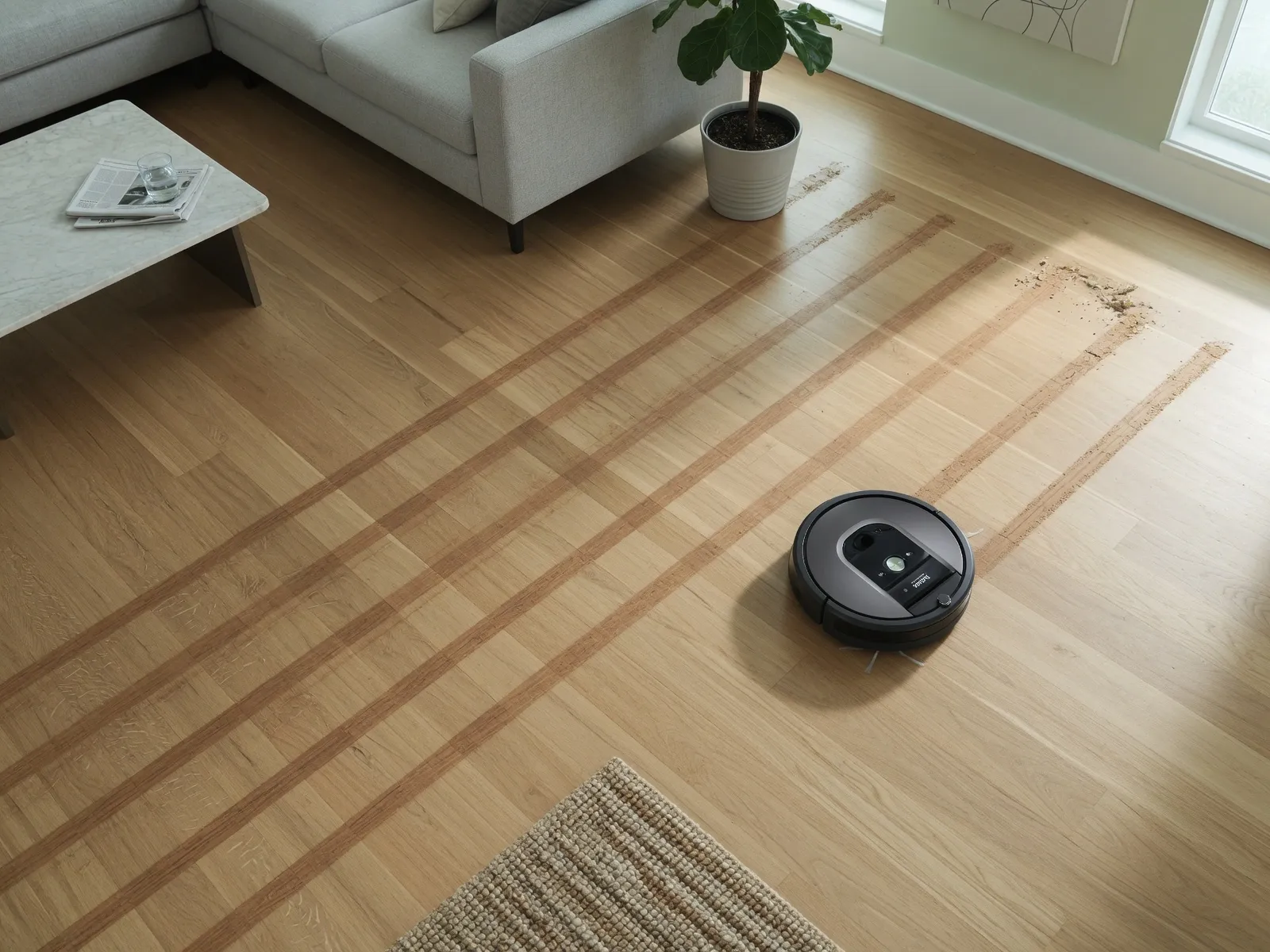
That contrast matters more than most shoppers realize. Lower-tier models rely on a pseudo-random "pinball" pattern, covering the same patch of floor multiple times while missing other areas entirely. In practice, parallel-line navigation means fewer missed spots, shorter run times, and more consistent results across every clean — particularly in larger or multi-room layouts.
Raw suction power backs up that intelligent movement. According to iRobot’s official specs, the 960’s AeroForce 3-Stage Cleaning System delivers 5x the air power of the Roomba 600 series — a meaningful gap when tackling pet hair embedded in carpet or debris packed into corners.
Whether the 960’s 2016 origins affect its long-term value is a question worth examining closely, and that’s exactly where to look next.
Is the Roomba 960 Too Old? Understanding Its 2016 Origins and Current Relevance
Age isn’t a liability when the underlying technology has proven itself across millions of homes — and the Roomba 960 is a textbook example of that principle.
Launched in 2016, the 960 represented iRobot’s first mid-range model to pair vSLAM navigation with systematic room mapping, placing it firmly above the entry-level lineup at a time when most competitors still relied on random-bounce patterns. Nearly a decade later, that foundational engineering hasn’t been quietly retired — it’s been validated.
The 960’s age is actually its strongest credibility signal. A large secondary market of restored and renewed units has emerged precisely because the hardware holds up. Buyers looking for a capable robot vacuum at a significant discount are flooding platforms like Walmart with demand for certified refurbished 960s, and availability has followed. For anyone comfortable with an iRobot Roomba 960 battery replacement down the road — a straightforward swap that costs well under $50 — a renewed 960 represents exceptional long-term value.
Where the 960 does show its years is in Clean Base compatibility: it predates iRobot’s auto-empty dock ecosystem entirely and cannot be retrofitted. That’s a genuine limitation worth acknowledging.
What it doesn’t compromise on is filtration and core cleaning performance. The high-efficiency filter captures 99% of allergens, pollen, and particles as small as 10 microns, making it a genuinely competitive choice for pet owners managing dander and fine debris. Here’s why the 960 still earns its place today:
- Proven vSLAM navigation that maps and adapts to real floor plans
- High-efficiency allergen filtration rated for particles down to 10 microns
- Robust refurbished market keeping acquisition costs low
- Straightforward maintenance, including accessible battery replacement
That filtration capability becomes even more relevant when you factor in how the 960 handles different floor surfaces — which is exactly where its Gen 2 motor and cleaning philosophy get put to the test.
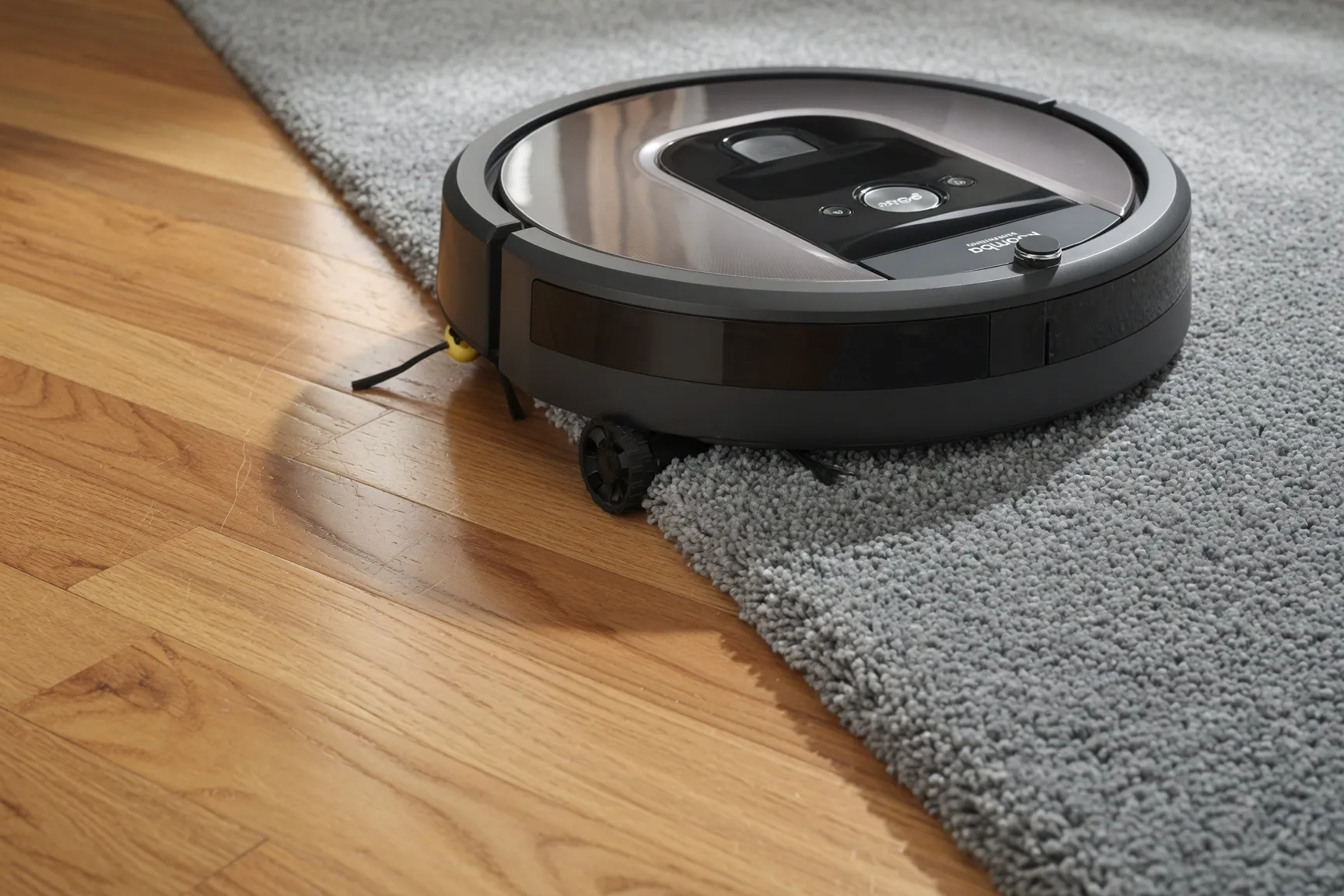
Hardwood vs. Carpet: Real-World Performance Metrics
The iRobot Roomba 960 robot vacuum delivers genuinely impressive results on hard floors — but its carpet performance tells a more nuanced story worth understanding before you buy.
On hardwood and tile, the numbers speak for themselves. According to Modern Castle, the Roomba 960 achieved a 100% pickup rate for large debris — rice, cereal, and kitty litter — in standardized testing. That near-perfect result comes directly from the Gen 2 motor, which runs at roughly 1,700 Pa of suction. That motor generates enough airflow to capture debris in a single pass, which is exactly what the 900 series’ "Smart Simple Clean" philosophy is built around: let the machine do the work thoroughly so you don’t have to supervise it.
Carpet performance is where honest expectations matter most. The same Modern Castle testing shows ultra-fine debris like sugar on carpet averages around 52% pickup — a significant drop from the hardwood results.
| Surface Type | Debris Type | Performance Score |
|---|---|---|
| Hardwood | Rice, cereal, kitty litter | ~100% |
| Carpet | Fine debris (sugar) | ~52% |
The bottom line: the Roomba 960 excels on hard floors and handles typical carpet debris well, but fine particulates on thick pile remain its one consistent limitation.
That said, day-to-day dirt, pet hair, and crumbs on low-to-medium pile carpet are well within its capabilities. Understanding these performance boundaries connects directly to getting the most out of your unit long-term — which is where smart maintenance and the iRobot app become essential tools.
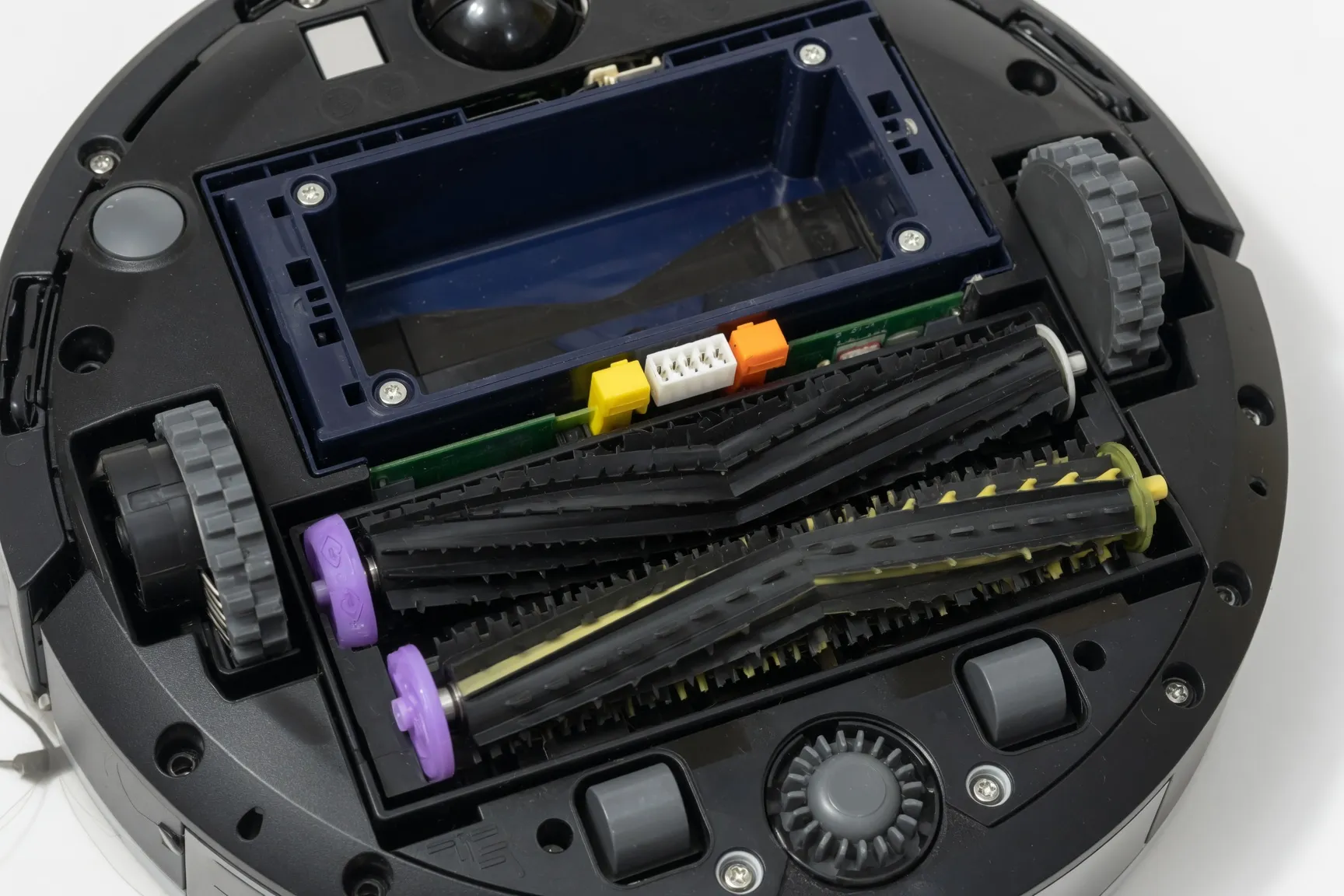
Maximizing Longevity: Battery Replacement and the iRobot App
Keeping a Roomba 960 running at peak performance for another five or more years comes down to two things: proactive maintenance and smart use of its software tools.
Battery health is the single biggest factor in whether a 960 continues to perform like new. The clearest signal that a replacement is due is noticeably shorter run times — the 960 is rated for roughly 75 minutes per charge, so if it’s docking significantly earlier without completing its route, the battery is degrading. A flashing amber indicator light or a maintenance alert pushed through the iRobot Home App also confirms it’s time to swap. Replacement lithium-ion packs are widely available and straightforward to install without any special tools.
The iRobot Home App does more than flag battery issues. According to iRobot’s official documentation, it lets users schedule cleanings, review maps of cleaned areas, and receive ongoing maintenance alerts — all from a cell phone. That visibility makes it easy to catch problems early, whether it’s a clogged filter or a worn brush roll.
One underappreciated software feature is Recharge and Resume: when the battery runs low mid-clean on larger floor plans, the 960 docks, recharges to a sufficient level, then returns to finish the job. For homes over 1,000 square feet, this feature alone justifies the platform’s continued relevance.
Replacement bins and filters remain readily available through major retailers, which matters when evaluating long-term cost of ownership. That same accessibility to parts and repair options is worth exploring in depth — and it’s exactly what the next section covers.
Finding Support: The Roomba 960 Service Center and Repairability
The Roomba 960’s long-term value isn’t just about performance — it’s about how easy and affordable it is to keep running for years.
For anyone asking what is a Roomba robot and whether it’s worth investing in repairs rather than replacements, the answer with the 960 is a clear yes. iRobot maintains dedicated 900 series service center documentation to support troubleshooting and official repairs — a level of institutional support that many older-model owners genuinely benefit from.
A modular design means most common fixes are DIY-friendly. The 960’s side brush, filter, dustbin, and brush roll are all tool-free swap components. Replacement parts remain widely available through authorized retailers, keeping repair costs modest.
Pro tip: When sourcing a replacement bin, confirm it’s labeled specifically for the 900 series — bins from the 600 or 800 series are not interchangeable and will affect suction performance.
Buying a ‘Restored’ certified model from an authorized seller is one of the smartest ways to enter the 960 ecosystem. These units are inspected, remanufactured to spec, and often carry a limited warranty — delivering the full vSLAM experience at a significantly reduced price point.
With support infrastructure and repairability this strong, the 960 holds up as a genuinely sustainable investment — which ties directly into the broader value case worth examining next.
The Bottom Line: What You Need to Know About the 960
The Roomba 960 remains the most affordable entry point into genuine vSLAM navigation — and that single fact makes it worth serious consideration even years after its original release. As Spectrum IEEE notes, the 960 is a more affordable vSLAM vacuum that doesn’t sacrifice the intelligence needed for multi-room cleaning. That’s a difficult combination to find at its current price point.
Affordability is only part of the story. For pet owners in particular, the 960’s 99% allergen filtration rating means it captures the dander and fine particles that trigger allergies — not just the visible fur on the floor. That filtration performance holds up well even as the unit ages, provided filters are replaced on a regular schedule.
Maintenance accessibility reinforces the value case further. Batteries, bins, and brushes are widely available, and any Roomba 960 service center can handle repairs that go beyond routine upkeep. Parts availability for a model this established is actually a practical advantage over newer releases.
One honest caveat: hard floors are where the 960 truly shines. On low-pile carpet it performs reliably, but fine debris embedded in thicker carpet may require a second pass. It’s a real limitation worth factoring in before purchasing.
- vSLAM on a budget: The 960 delivers systematic room mapping without a premium price tag.
- Allergy-friendly design: 99% allergen filtration makes it a strong pick for pet households.
- Repair-friendly ownership: Established parts supply and service support extend its usable life significantly.
- Surface caveat: Expect strong results on hard floors; thick carpet may need multiple cleaning cycles.
Conclusion: Why Hyvoxa Recommends the 960 for Value Seekers
The Roomba 960 is proof that age, when paired with a strong engineering foundation, becomes an asset rather than a liability. A model this established means an ecosystem of affordable replacement brushes, batteries, and filters — parts availability that newer, less-common models simply can’t match. In practice, that translates to a longer, cheaper ownership cycle for anyone willing to invest a little maintenance time.
The core value proposition remains just as compelling as it was at launch. vSLAM navigation isn’t a minor upgrade over random-bounce cleaning — it’s a fundamentally different category. The 960 maps your home, moves with purpose, and completes full cleaning runs without missing sections, something random-navigation vacuums can never reliably promise. Notably, the 960 remains one of the few legacy models that still receives firmware updates via the iRobot OS, meaning the software keeps pace even as the hardware ages.
Who should buy the Roomba 960 today? It’s the right call for budget-conscious homeowners who want mapped, systematic cleaning without paying flagship prices — particularly those in single-story homes with mixed floor types. If random navigation frustrates you and premium models feel like overkill, the 960 sits squarely in the sweet spot.
For more smart home maintenance guides, buying advice, and tips on getting the most from your devices, explore everything Hyvoxa has to offer at [Hyvoxa.com](http://Hyvoxa.com).
Conclusion: Why the Roomba 960 is the Smarter Choice for Value-First Homes
In my years of reviewing home automation, I’ve seen countless "flash-in-the-pan" gadgets that promise the moon but fail the basic test of reliability. The iRobot Roomba 960 is the antithesis of that trend. It’s a machine built on a foundation of solid, field-tested vSLAM technology that actually understands the layout of a room rather than just guessing. While newer models might offer auto-empty bins or mop attachments, they often do so at the cost of significantly higher price tags and more complex failure points.
If you are a pet owner or a busy professional looking for a vacuum that "just works" without a four-digit investment, the 960 remains my top recommendation for value. Its modular design and the widespread availability of an irobot roomba battery replacement mean this isn’t just a purchase—it’s a long-term tool for your home. Ultimately, the smartest value isn’t the cheapest model on the shelf; it’s the one that cleans efficiently every single day and can be easily maintained for years to come.