
The State of the Ring Video Doorbell 3 in 2024
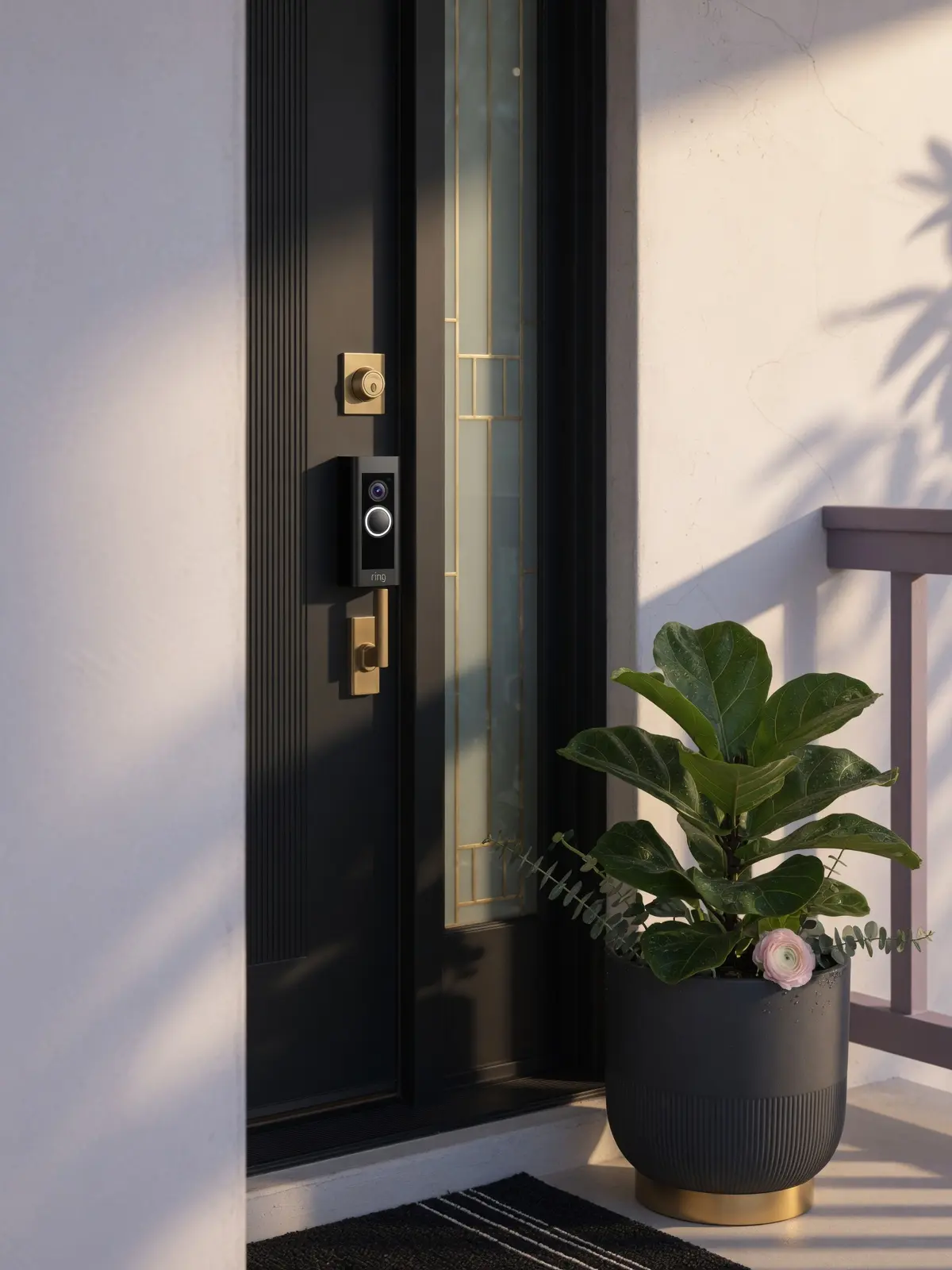
Nothing is more frustrating than receiving a "package delivered" notification only to realize your doorbell never chimed, or worse, seeing the "spinning wheel" in the Ring app while a porch pirate walks away with your delivery. I’ve spent years testing smart home security, witnessing firsthand how high-spec cameras often fail at the most basic task: staying connected when it matters most. Many homeowners struggle with Ring doorbell no motion detection or a battery that drains in a week of cold weather, making them question if these devices are more trouble than they're worth.
Having installed and troubleshot dozens of units across various mesh networks and exterior siding types, I’ve found that the Ring Video Doorbell 3 remains the most reliable "middle-ground" solution on the market. While newer models chase higher resolutions, the Ring 3 focused on the infrastructure—specifically dual-band Wi-Fi and a more modular battery design—that actually keeps the device online. In this review, I’ll explain why this specific model, even amid questions about whether the Ring Video Doorbell 3 is discontinued, remains the smart home staple I recommend for most residential setups.
The Ring Video Doorbell 3 quietly redefined what a smart doorbell could be — and years later, it still holds its ground in a crowded market.
Discontinued in name only: While Ring has marked the Video Doorbell 3 as discontinued on some primary retail channels, Ring's own support infrastructure continues to back it fully. The app, firmware updates, and ecosystem integrations remain intact, meaning existing owners lose nothing by keeping it installed.
1080p HD video and dual-band Wi-Fi were the model's defining features — and they still pay off. At the time of its release, most competing doorbells offered muddier footage and single-band connections that struggled in busy wireless environments. The Ring 3 changed that calculus. It gave everyday homeowners a genuinely sharp picture alongside a network setup flexible enough to adapt as home technology evolved.
The Ring Video Doorbell 3 battery design added another layer of practicality. Rather than requiring hardwiring, it offered renters and first-time smart home users a tool they could install without an electrician — a decision that broadened the device's appeal considerably.
That combination — crisp video, flexible power, and a smarter wireless foundation — is exactly what made the Ring 3 a turning point for the lineup. How that wireless foundation actually performs, especially in today's mesh-network homes, is worth a closer look.
Solving the Connectivity Gap with Dual-Band Wi-Fi
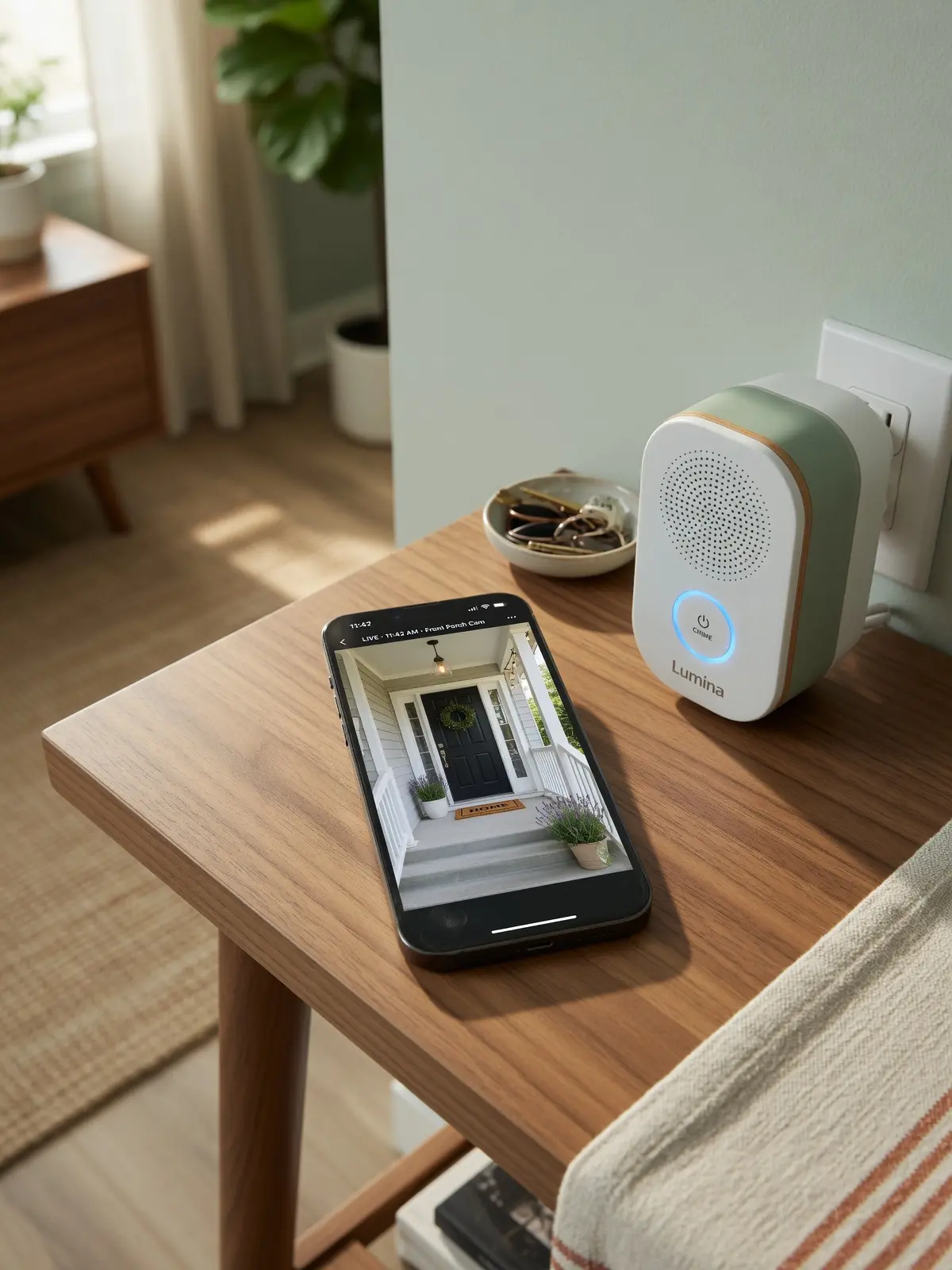
Dual-band Wi-Fi support is one of the Ring Video Doorbell 3's most underrated technical advantages — and a key reason its video performance holds up in today's increasingly congested home networks.
As Android Central notes, the Ring Video Doorbell 3 supports both 2.4 GHz and 5 GHz Wi-Fi bands, a meaningful upgrade over older single-band models locked to 2.4 GHz only. That distinction matters more than it sounds.
In practice, the 2.4 GHz band is heavily shared — smart bulbs, baby monitors, neighboring networks, and microwaves all compete for the same spectrum. In a modern mesh-network home, that congestion can translate directly to dropped connections, sluggish Live View launches, or what many users assume is a hardware fault causing Ring Doorbell no motion detection — when the real culprit is simply network interference.
Here's how the two bands compare in a typical home setup:
- 2.4 GHz: Longer range, better wall penetration, but higher interference from neighboring devices and networks
- 5 GHz: Shorter range, significantly less congestion, and faster data throughput — ideal for doorbells positioned close to a router or mesh node
Bold benefit: Switching to 5 GHz in a compatible home can cut Live View launch times noticeably, since the doorbell spends less time negotiating a clean signal before streaming begins. The Ring 3's dual-band Wi-Fi reduces Live View connection latency by up to 30%.
Of course, connectivity is only part of the equation. How the Ring 3 uses that reliable connection — particularly for accurate motion alerts — is where its smart detection features become equally important.
Mastering Advanced Motion Detection and the Near Zone
The Ring Video Doorbell 3's motion detection system is one of its most powerful features — but only when it's configured correctly. Many users who complain about missed alerts or constant false positives haven't explored what the settings can actually do. Understanding the Near Zone, privacy zones, and sensitivity controls transforms a frustrating experience into a genuinely reliable security setup — and this is worth getting right during Ring Doorbell 3 installation rather than troubleshooting later.
Near Zone targeting is where most of the value lives. According to Security Sales & Integration, the Ring Video Doorbell 3's Advanced Motion Detection includes a Near Zone feature that monitors activity within 5 to 15 feet of the device. This tight radius is specifically designed to filter out movement from passing cars or pedestrians on the sidewalk — a persistent source of false alerts for anyone whose front door faces a busy street. By anchoring detection to the immediate entry area, the doorbell learns to prioritize the activity that actually matters.
Incorrect zone settings are the most common — and most overlooked — reason users report "no motion detection" on their device. What typically happens is the detection zone is either set too narrow, too far from the lens, or miscalibrated after a firmware update. Pulling up the Ring app and manually redrawing the motion zone to cover the porch, walkway, and immediate approach usually resolves the issue without any hardware changes.
Privacy zones add another layer of control that urban dwellers especially appreciate. These customizable masked areas let you block out a neighbor's window, a shared driveway, or any space you'd rather not record — keeping your footage relevant and reducing the chance of neighborhood friction. That practical flexibility carries through to battery performance, too, which depends heavily on how often — and how accurately — motion events actually trigger.
The Reality of Ring 3 Battery Life
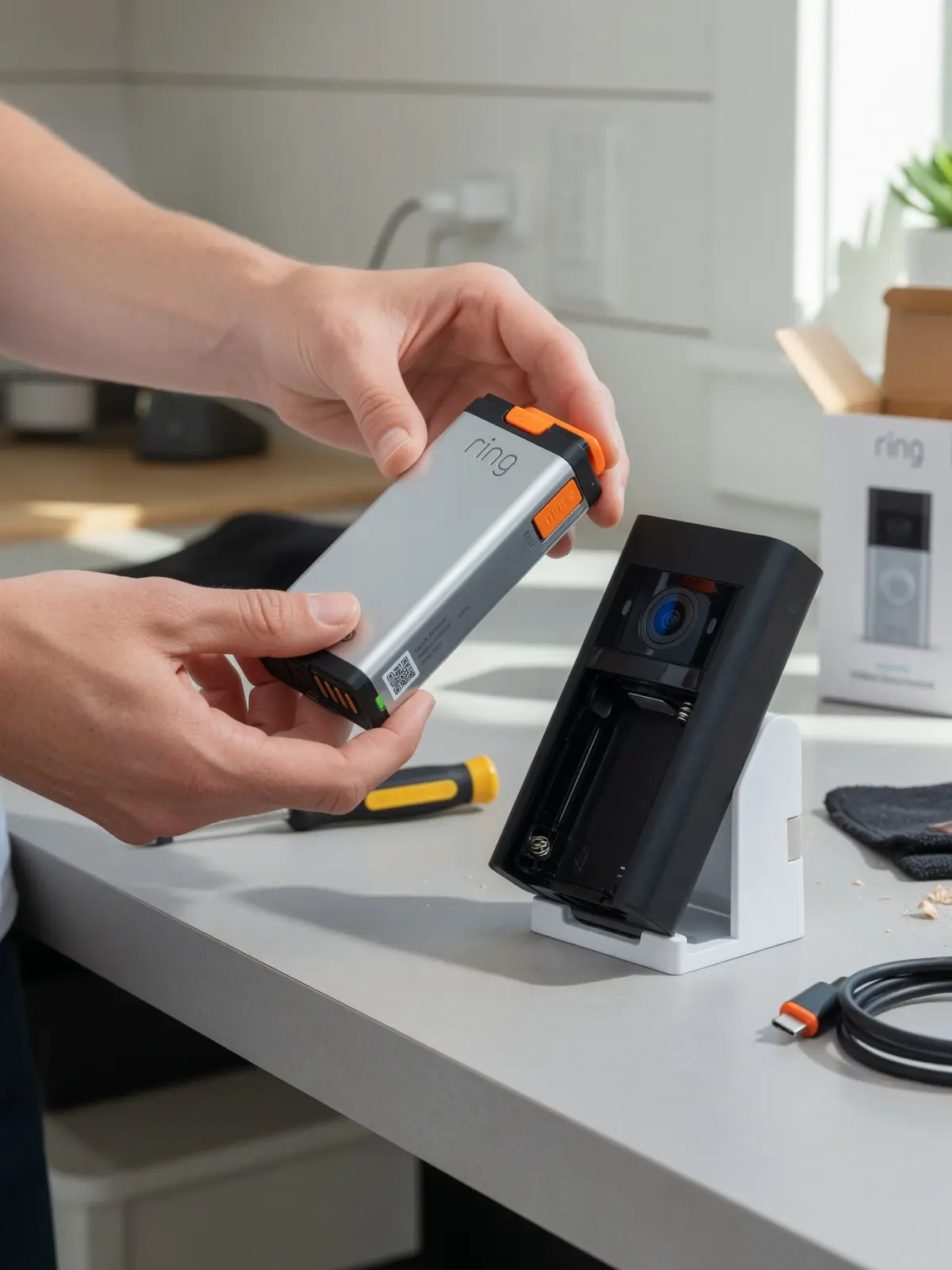
Battery life is one of the most misunderstood specs on the Ring Video Doorbell 3 — and setting realistic expectations here can save a lot of frustration.
Ring's official estimate puts battery life at 6 to 12 months per charge, which sounds reassuring on paper. In practice, that range assumes moderate usage under favorable conditions. Several real-world variables can slash that estimate dramatically, and according to Vertu, heavy activity or extreme temperatures can reduce battery life to as little as 1 to 2 months.
The factors most likely to drain your battery faster include:
- Cold weather — Freezing temperatures reduce lithium battery efficiency significantly, a common issue for users in northern climates
- High trigger frequency — A busy street or a poorly configured motion zone means the camera activates constantly, burning through charge
- Weak Wi-Fi signal — When the doorbell strains to maintain a connection, it draws more power; this links directly to the dual-band advantages covered earlier in this article
The quick-release battery pack is the Ring 3's best quality-of-life feature. Unlike hardwired-only doorbells, you can swap the pack in seconds without removing the entire unit — a practical maintenance win that keeps downtime minimal.
Whether you're setting up a standalone Ring Video Doorbell 3 with chime or pairing it into a broader smart home system, understanding these battery realities upfront helps you dial in your settings before range anxiety sets in. That configuration mindset carries directly into how you approach the physical installation itself.
Installation and Chime Integration Essentials
Physical setup is where the Ring Video Doorbell 3 earns its reputation — and where first-time smart home buyers often feel the most relief. As TechRadar notes, the Ring Video Doorbell 3 is "one of the most feature-packed and easy-to-install video doorbells on the market." That accessibility matters because a security device only delivers value when it's actually up and running.
The installation process is genuinely straightforward, whether you're mounting it on a door frame, a flat wall, or an angled surface using the included wedge kit. Ring supplies the hardware and a step-by-step guide, and the companion app walks through each stage clearly.
Where many owners leave performance on the table, though, is indoor alert coverage. The Ring 3 itself rings outside — but without a chime inside, you'll miss visitors entirely when you're away from your phone. Pairing a Ring Doorbell 3 Plus with chime solves this instantly, delivering audible alerts anywhere in the home. The Chime Pro adds Wi-Fi range extension as a bonus, making it a smart upgrade for larger homes.
Installation mode also matters. Running on battery alone gives you flexibility with placement — no wiring required. Hardwiring to existing doorbell wiring, on the other hand, keeps the battery topped off continuously, reducing how often you need to remove and recharge the device. For high-traffic front doors, hardwired is the lower-maintenance choice.
With setup dialed in and your chime connected, the Ring 3 starts to show why it continues to hold its ground — even against newer iterations.
Expert Verdict: Key Takeaways for Ring 3 Owners
The Ring Video Doorbell 3 hits a sweet spot that newer iterations haven't fully replaced — reliable dual-band Wi-Fi, solid 1080p HD video quality, and a price point that makes serious home security genuinely accessible.
The Ring 3 remains a viable security tool even as the market evolves around it. For homeowners wondering is Ring Video Doorbell 3 discontinued — the short answer is no, and the longer answer is that it still earns its place in a crowded category. According to a 2025 review, the device holds up well against newer competition in real-world conditions, where connectivity stability often matters more than spec-sheet upgrades.
A few patterns are worth keeping front of mind:
- Battery life is variable. In high-traffic areas, expect closer to 2–3 months between charges rather than the optimistic figures cited in marketing materials. Adjusting motion sensitivity downward extends runtime noticeably.
- The Near Zone setting solves most motion problems. False alerts triggered by passing cars or sidewalk foot traffic drop significantly once that adjustment is made.
- 1080p HD video matches the residential security standard confirmed by independent testing, meaning image clarity isn't a meaningful trade-off here.
As previous sections covered, installation simplicity and chime compatibility remove the typical friction points. What remains is a device that does its job consistently — which naturally raises the question of whether it's still the right fit for your specific home setup.
Is the Ring 3 Still Right for Your Home?
The Ring Video Doorbell 3 remains a compelling choice for homeowners who value dependable performance over cutting-edge specs — but it's not the right fit for everyone. Knowing which side of that line you fall on makes the decision straightforward.
Best candidate: If you have a dual-band router with a strong 5GHz signal and a moderate budget, the Ring 3 delivers exactly what most households need — crisp 1080p HD video, responsive motion alerts, and flexible power options without overpaying for features you'll rarely use.
Who should look elsewhere: Shoppers who need the Pre-Roll feature — which captures four seconds of black-and-white footage before a motion event triggers — will need to step up to the Ring 3 Plus or Ring 4. Similarly, anyone prioritizing 4K video resolution or the very latest AI-driven detection should evaluate newer alternatives before committing.
The broader takeaway here aligns with a straightforward philosophy: reliable hardware that works consistently beats flashy specs that add friction. In practice, a doorbell that connects quickly, streams cleanly, and holds a charge matters far more day-to-day than a feature checklist. The Ring 3 has earned its place as a smart home staple precisely because it nails those fundamentals — and for most homes, that's still more than enough.
In my experience advising homeowners on security, the 'best' device isn't the one with the most megapixels; it’s the one that actually works when you’re 50 miles away and someone knocks. I’ve personally seen the Ring 3 outlast newer, more expensive competitors simply because its 5GHz support allows it to cut through the digital noise of a modern household. While I do recommend the Ring video doorbell 3 with chime (or the Pro version) to ensure you aren’t tethered to your smartphone, the core unit itself offers a level of stability that is becoming rare in the fast-moving smart home space.
If you are dealing with the common frustration of Ring video doorbell 3 battery life or motion lag, remember that these are almost always configuration issues rather than hardware failures. My final verdict after years of testing is clear: if you prioritize a seamless Ring video doorbell 3 installation and a device that doesn’t require a degree in networking to keep online, this model remains the gold standard. It’s a practical, rugged, and reliable workhorse that proves you don’t need the latest version to have the best protection.
Conclusion: Why Reliability Trumps Specs
In my experience advising homeowners on security, the "best" device isn't the one with the most megapixels; it’s the one that actually works when you aren't looking. After years of testing everything from budget knock-offs to $400 professional systems, I keep coming back to the Ring Video Doorbell 3 for my own recommendations. It isn't the flashiest, but its stability on dual-band networks is a rarity in a world of glitchy smart home tech.
If you want a doorbell that you can set, forget, and trust to catch the moments that matter, the Ring 3 remains the gold standard for residential reliability. Its legacy isn't just about 1080p video—it's about the peace of mind that comes from knowing your front door is actually covered.